Growth Champions
How do you drive and sustain profitable growth?
Does it mean doing more? Or less, by doing the best things better? Is it all about smarter selling, or more about innovating? To existing markets and customers, or looking beyond to new opportunities? How does growth fit with sustainability? Can inorganic growth replace the need for real, organic growth? Is growth still the primary way to drive long-term value creation financially?
How do different companies drive growth?
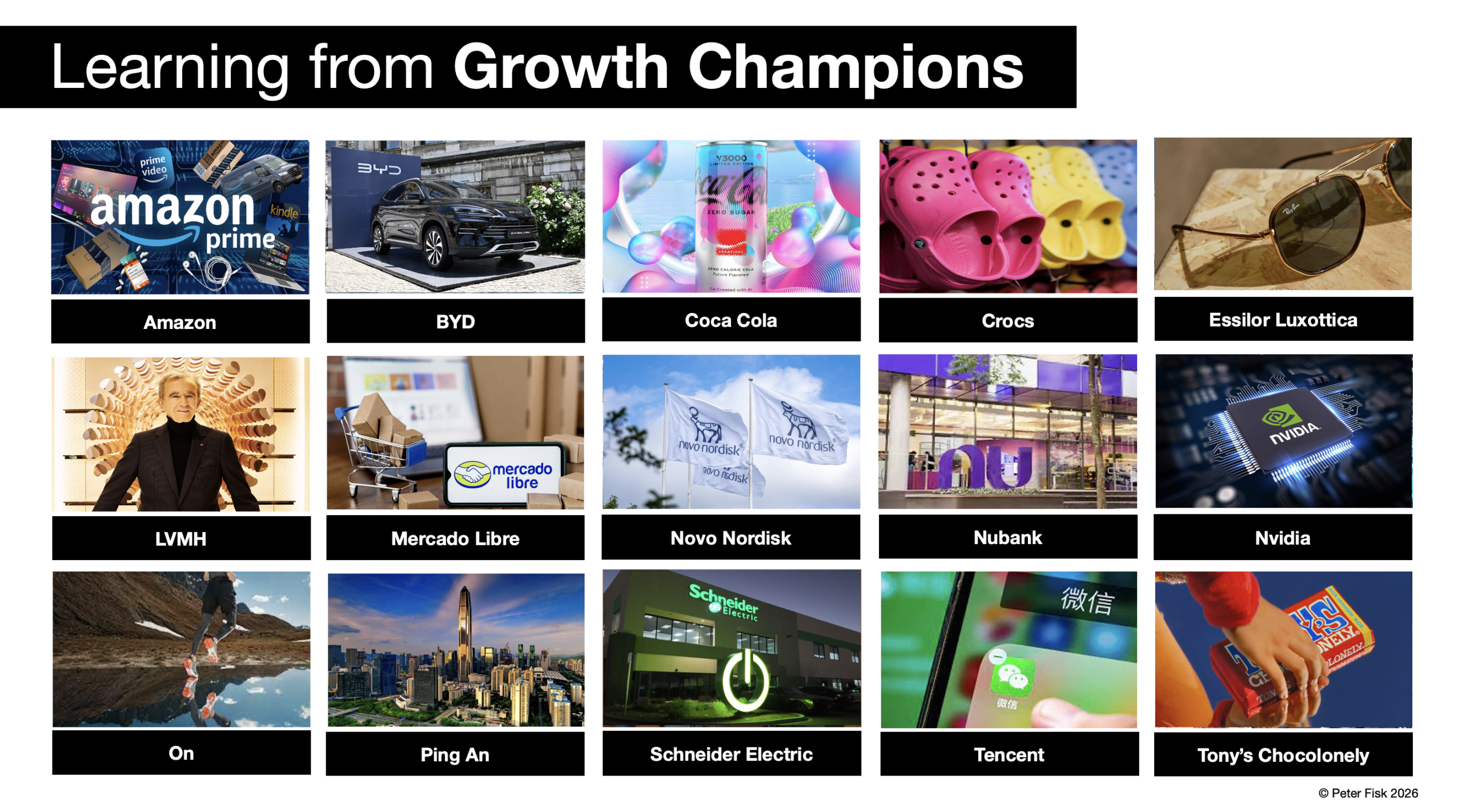
Growth Champion: Amazon
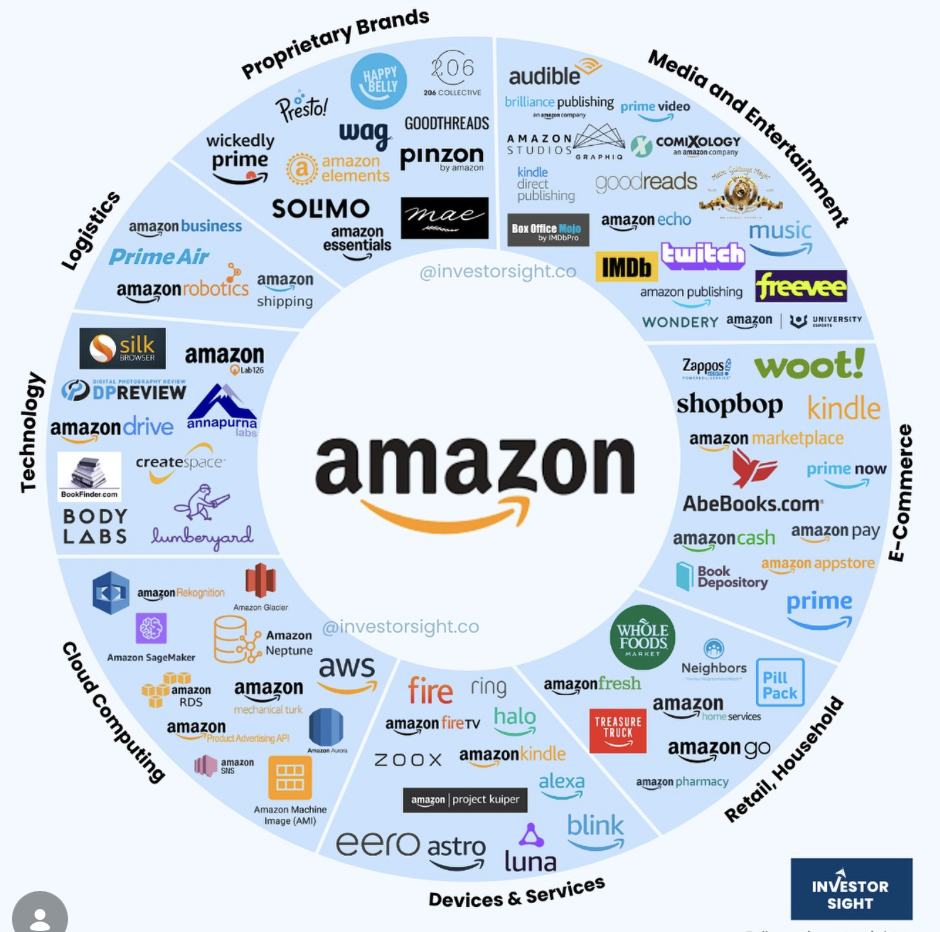
Amazon’s strategy is built on relentless customer obsession, long-term investment, and platform scale. It pursues low prices, vast selection, and fast delivery as its core value proposition, underpinned by continuous logistics and infrastructure expansion. Amazon Web Services (AWS) is a major profit engine, enabling reinvestment across retail, devices, advertising, and entertainment. The company operates as a multi-sided ecosystem, linking consumers, sellers, developers, and advertisers. It prioritises market expansion over short-term profitability, often reinvesting cash flows into new categories and technologies. Increasingly, Amazon integrates AI across operations to enhance personalisation, efficiency, and automation, reinforcing its position as a global digital infrastructure leader.
- Amazon
- Amazon Annual Report 2025
- Andy Jazzy CEO Letter to Shareholders 2025
- Amazon Investors (Quartr)
- Amazon Case Study (Strategos Institute)
- How Amazon built a Growth Ecosystem (Growth Hackers)
- Amazon Profile and Jeff Bezos Profile (Peter Fisk)
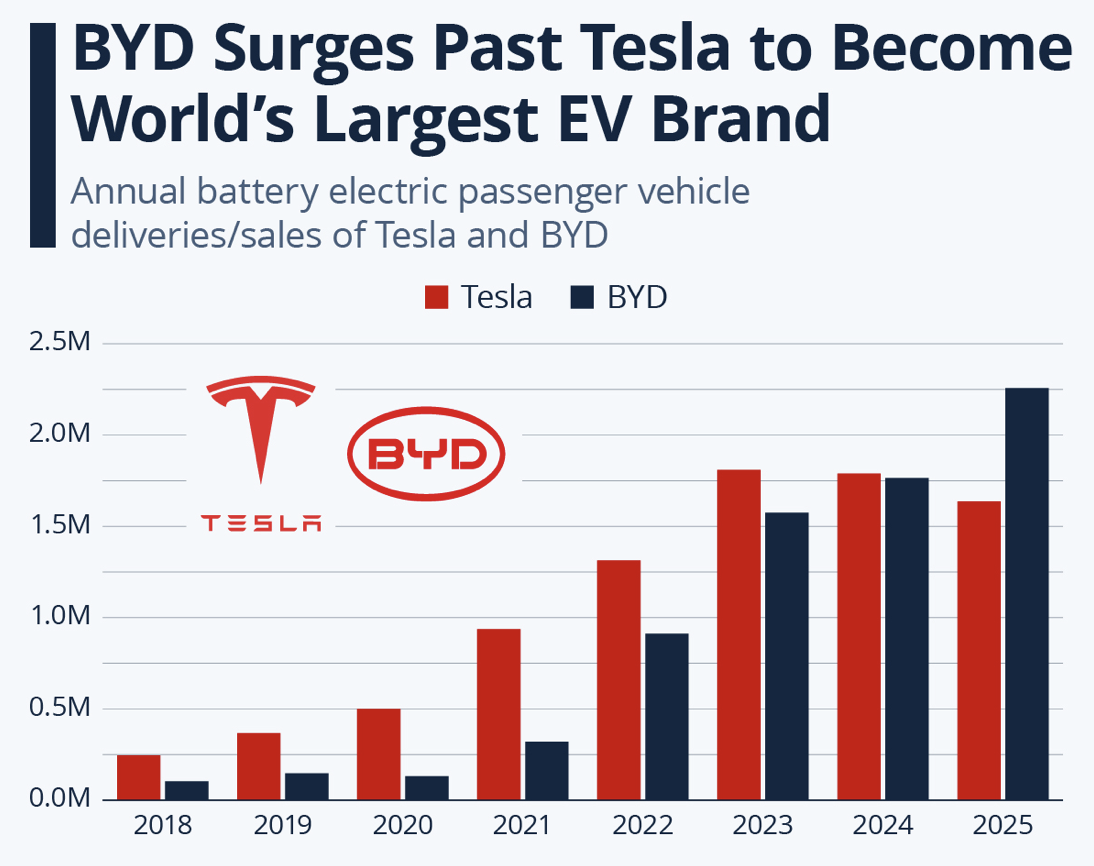
Growth Champion: BYD
BYD’s strategy is built on extreme vertical integration and cost leadership, controlling everything from battery chemistry to final vehicle assembly. Its proprietary Blade Battery and ultra-fast charging systems are central competitive advantages, improving safety, range and charging speed while reducing dependency on external suppliers. The company scales rapidly through massive manufacturing capacity in China, enabling affordability in high-volume EV segments. At the same time, BYD is shifting upmarket into premium brands (e.g., Denza and Yangwang) while expanding aggressively overseas. Increasingly, it pairs product innovation with infrastructure build-out, including global fast-charging networks, to lock in ecosystem dominance and drive long-term EV adoption.
Growth Champion: Coca-Cola
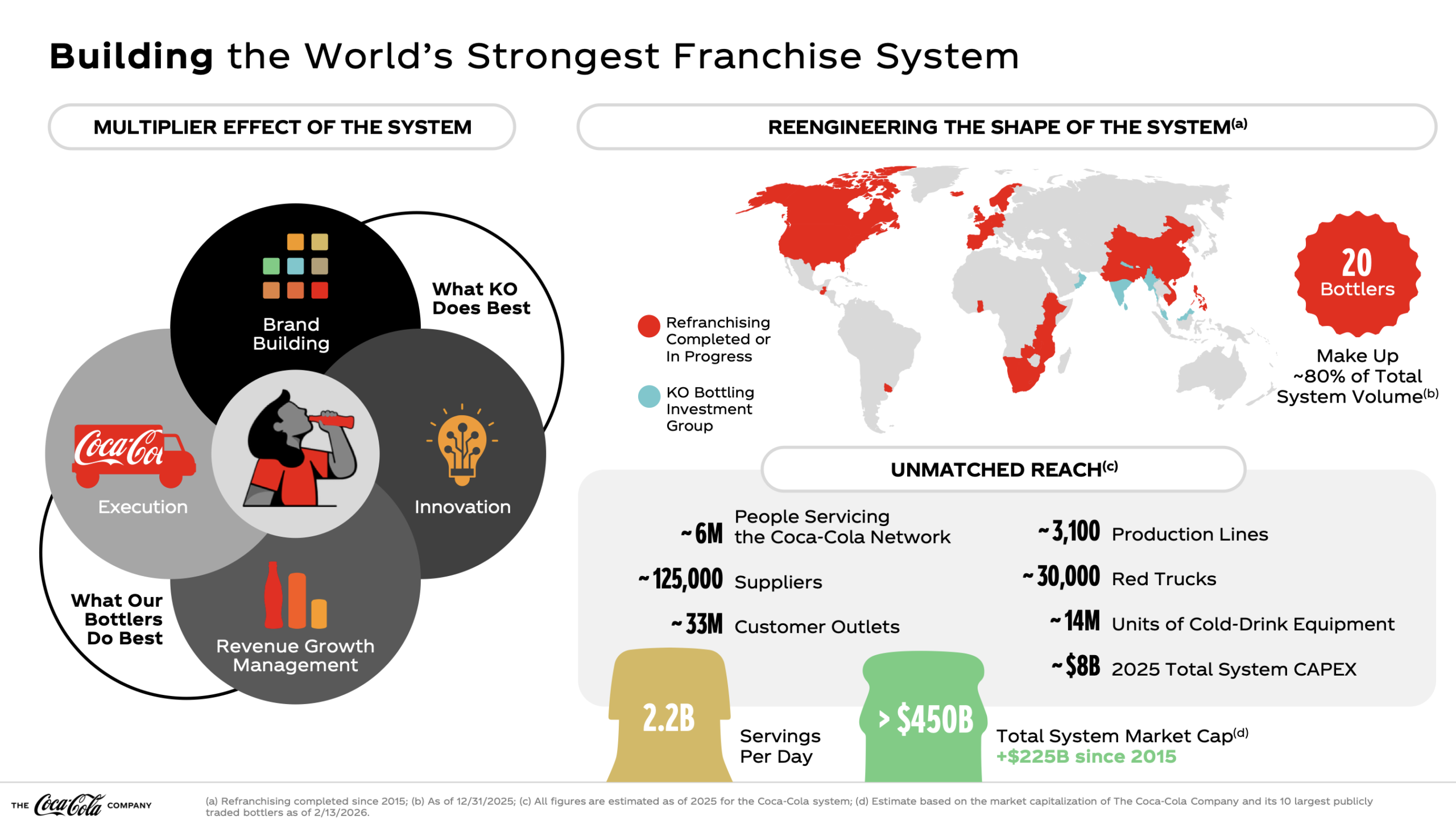
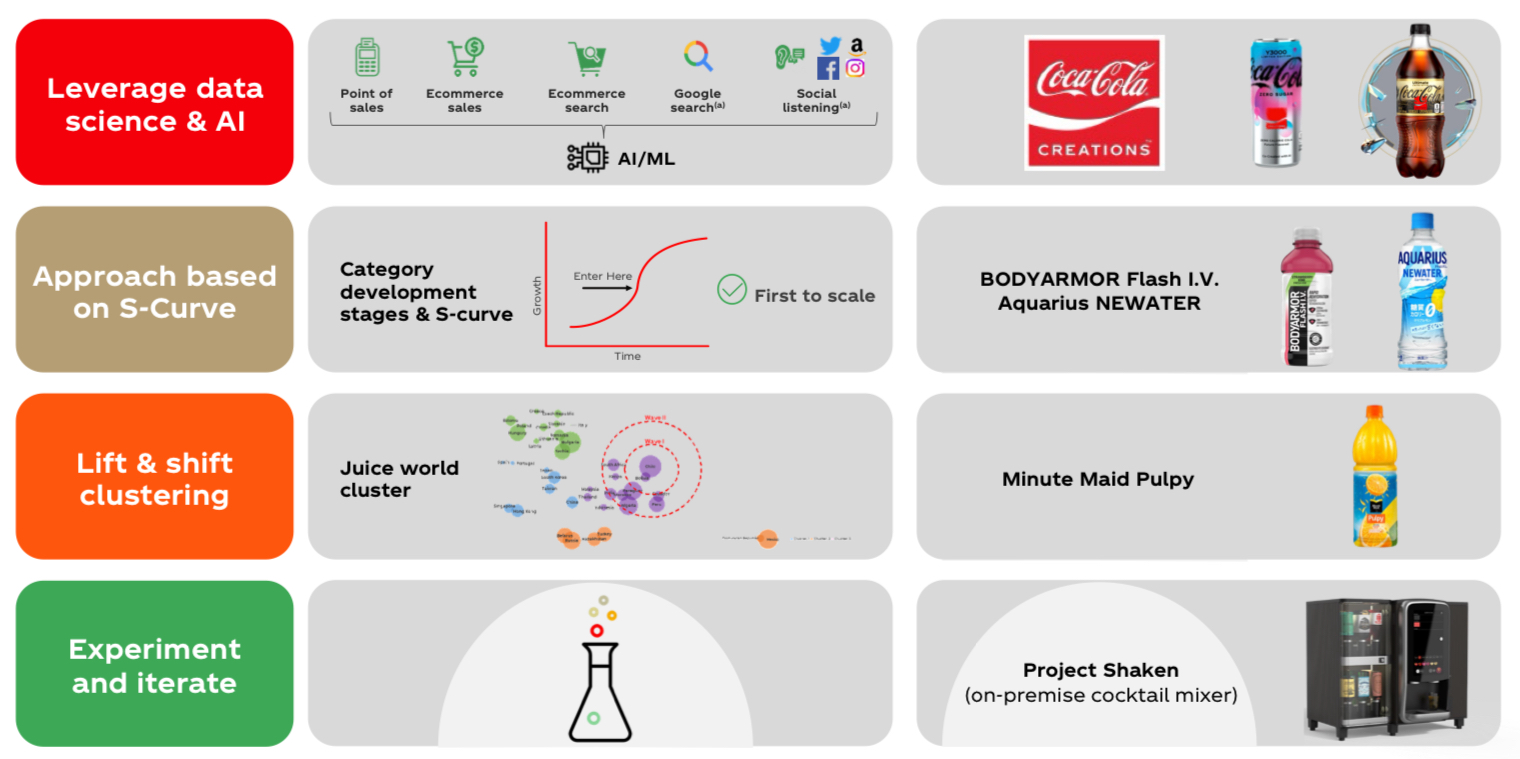
Coca-Cola’s strategy centres on brand-led growth, global scale, and an asset-light bottling model. Rather than manufacturing and distributing everything itself, it focuses on concentrate production, marketing, and brand management while partnering with independent bottlers. Its portfolio strategy has expanded beyond sparkling soft drinks into water, juices, sports drinks, coffee, and functional beverages to capture shifting consumer preferences. Coca-Cola invests heavily in world-class marketing, emotional branding, and consistent global messaging while adapting flavours and formats locally. Increasingly, it is pursuing healthier options, sugar reduction, and sustainability initiatives, using its unmatched distribution system and brand equity to defend leadership in a changing beverage market.
- The Coca-Cola Company
- Coca Cola CAGNY Investor Presentation 2026
- Investor Presentation Dec 2025
- Raising the Bar: Marketing and Innovation
- Coke y3000 future magic (Peter Fisk)
Growth Champion: Crocs
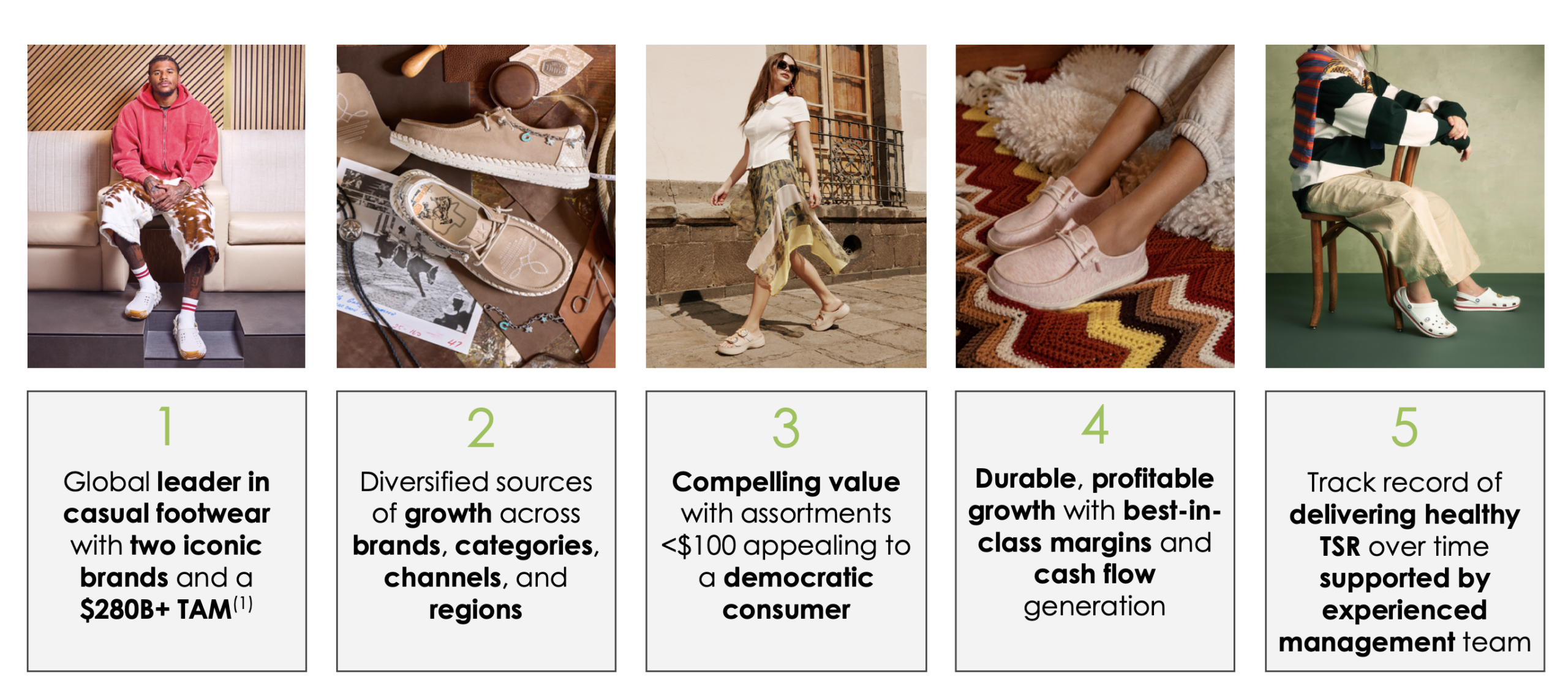
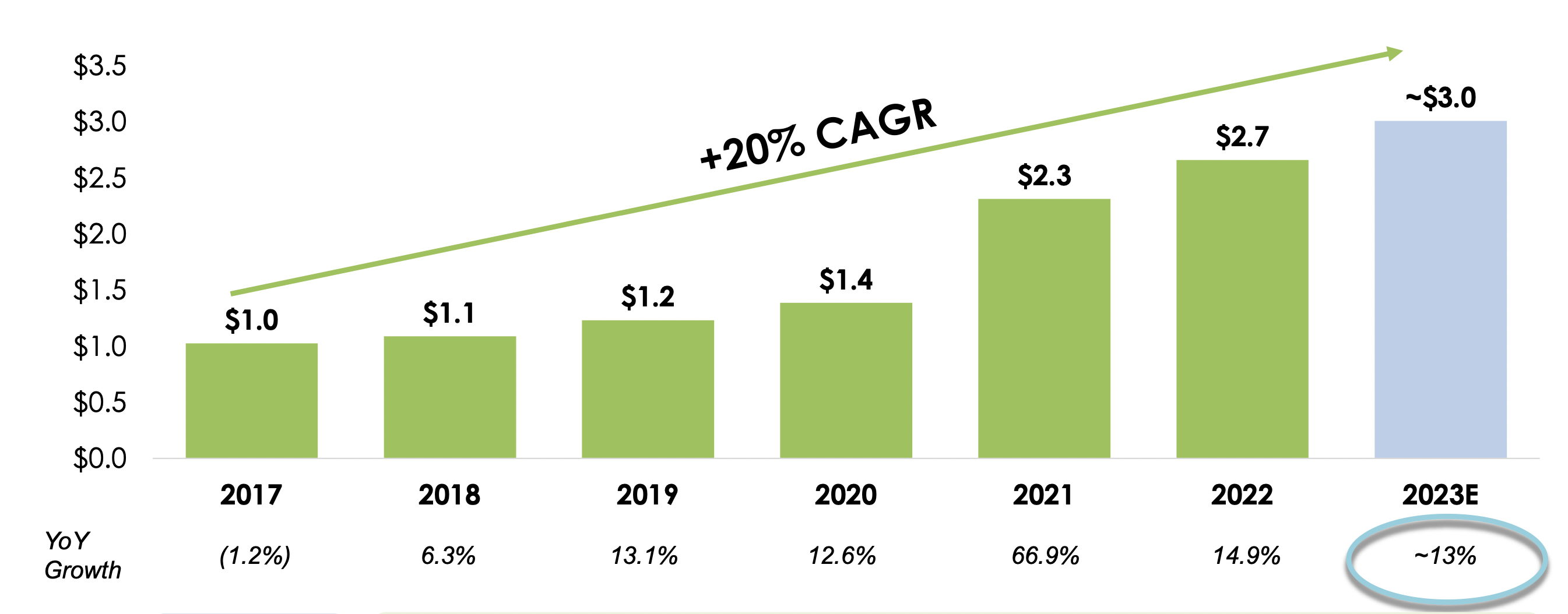
Crocs’ strategy is built on extreme product focus, brand repositioning, and viral demand creation. After nearly fading, it reinvented itself by doubling down on its core foam clog design, simplifying its portfolio and leaning into comfort as its central value proposition. The company uses collaborations with celebrities, designers, and pop culture brands to generate scarcity, hype, and cultural relevance. It operates a highly flexible, low-cost manufacturing model, enabling rapid scaling and responsiveness to demand spikes. Crocs also drives direct-to-consumer growth alongside wholesale, while expanding globally and into adjacent styles. Its strategy is less about fashion cycles and more about cultural momentum.
- Crocs
- Rise of the Clog (Quartr)
- Crocs Overview
- Crocs Investor Presentation 2025
- Crocs Investor Presentation 2026
- Crocs Profile (Peter Fisk)
Growth Champion: Essilor Luxottica
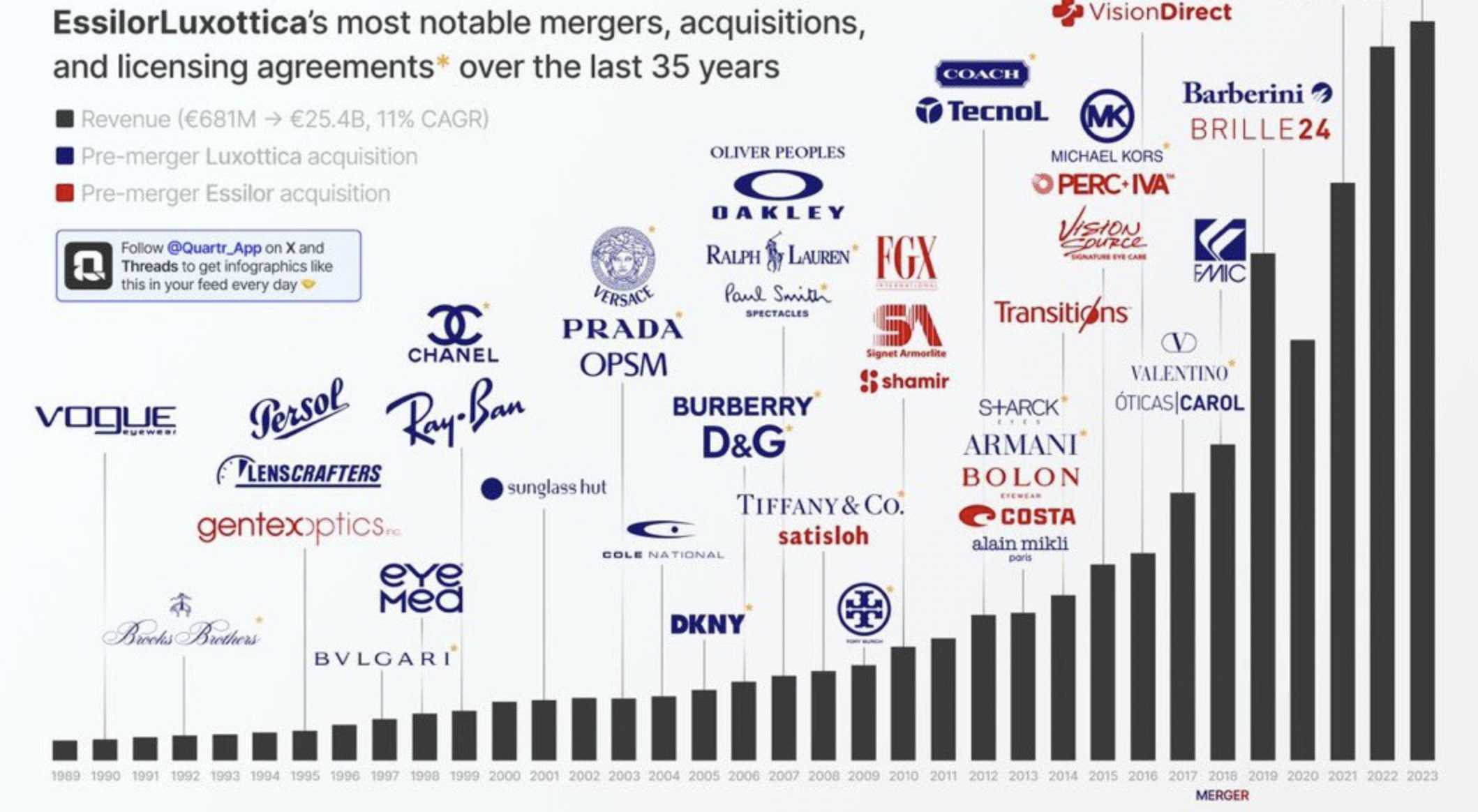
EssilorLuxottica’s strategy is built on end-to-end vertical integration of the eyewear value chain, combining lens innovation with premium frame design, manufacturing, and global retail distribution. Through brands like EssilorLuxottica, Ray-Ban and Oakley, it controls both optical technology and fashion positioning, enabling strong pricing power and brand ecosystem control. Its global retail footprint (including Sunglass Hut and LensCrafters) reinforces direct customer access and data advantage. The company drives growth through acquisitions, premiumisation, and expansion into vision care services. Increasingly, it is also moving into smart glasses and wearable tech (notably with Meta), positioning eyewear as both a health product and a connected digital platform.
- Essilor Luxottica
- Essilor Luxottica at a glance
- Essilor Luxottica FY Results 2025
- Essilor Luxottica Profile (Peter Fisk)
Growth Champion: LVMH
LVMH (Moët Hennessy Louis Vuitton) was formed in 1987 through the merger of Louis Vuitton and Moët Hennessy, creating a global luxury powerhouse under Bernard Arnault’s leadership. Its strategy is built on a “house of brands” model, where each brand retains strong creative independence while benefiting from centralised financial discipline, retail excellence, and supply chain scale. It focuses on ultra-premium positioning, scarcity, and storytelling to maintain brand desirability and pricing power. Growth is driven by selective acquisitions, geographic expansion (especially Asia and the US), and continuous brand elevation. LVMH also invests in craftsmanship, retail experience, and digital luxury engagement.
- LVMH
- LVMH Snapshot 2025
- LVMH Annual Report 2025
- LVMH Group Presentation 2023
- Bernard Arnault Profile (Peter Fisk)

Growth Champion: Mercado Libre
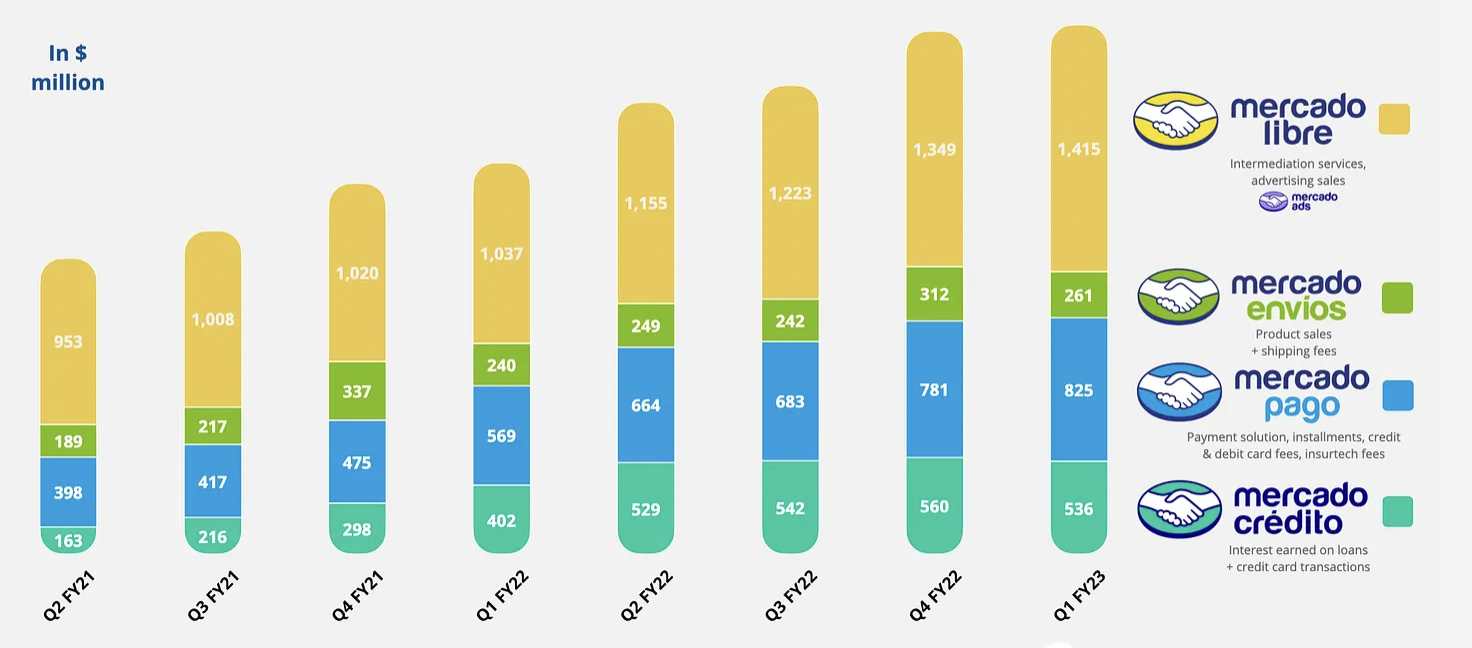
Mercado Libre was founded in 1999 in Argentina by Marcos Galperin, inspired by early e-commerce platforms like eBay, to build Latin America’s leading online marketplace. Its strategy centres on creating a full digital commerce ecosystem combining marketplace transactions with integrated fintech through Mercado Pago. This enables payments, credit, and financial services for both consumers and merchants, reinforcing network effects. The company invests heavily in logistics (Mercado Envios) to improve delivery reliability across fragmented markets. Growth is driven by expanding e-commerce penetration, SME enablement, and financial inclusion, while monetising through transactions, credit, advertising, and value-added services across the platform ecosystem.
- Mercado Libre
- Investor Presentation Q4 2025
- Growth Story
- Mercado Libre Backbone of Latin America (Quartr)
- Six Stories of Mercado Libre (The Generalist)
- Marcos Galperin Profile (Peter Fisk)
Growth Champion: Novo Nordisk
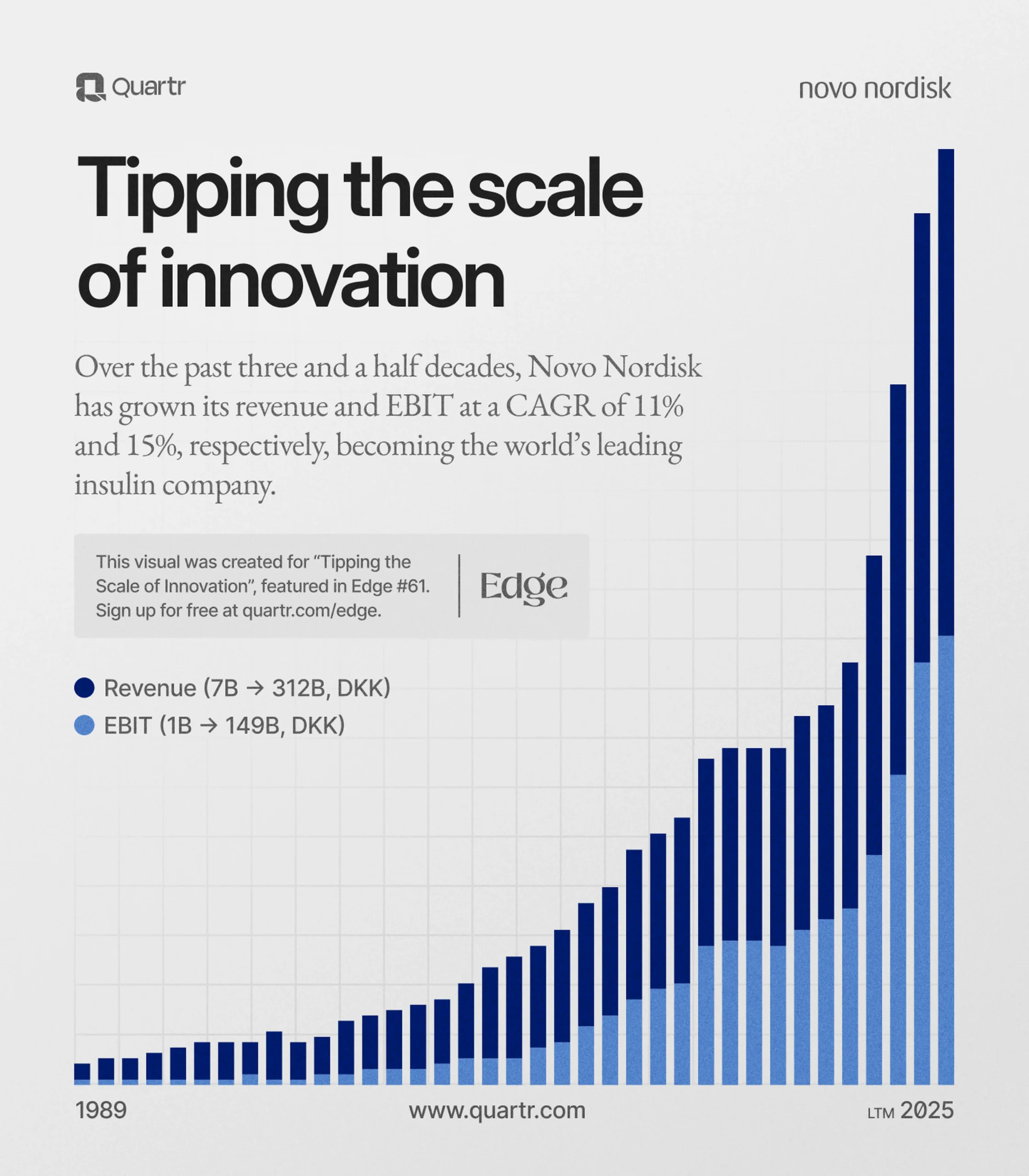
Novo Nordisk’s strategy is focused on leadership in chronic disease treatment, particularly diabetes and obesity, driven by strong scientific innovation and biologics expertise. Its growth engine is GLP-1 therapies such as semaglutide, marketed as Ozempic and Wegovy, which are redefining global obesity care. The company prioritises deep R&D investment, high-margin specialty drugs, and scalable biologics manufacturing. It operates with a long-term, science-led mindset, often reinvesting profits into pipeline expansion across metabolic and cardiovascular diseases. Increasing global obesity prevalence is expanding its addressable market rapidly. Novo Nordisk also strengthens its position through physician engagement, payer partnerships, and controlled global supply scaling.
- Novo Nordisk
- Novo Nordisk Investor Presentation 2025
- Novo Nordisk Corporate Strategy, Capital Markets Day 2024
- Novo Nordisk Profile (Peter Fisk)
 Growth Champion: Nubank
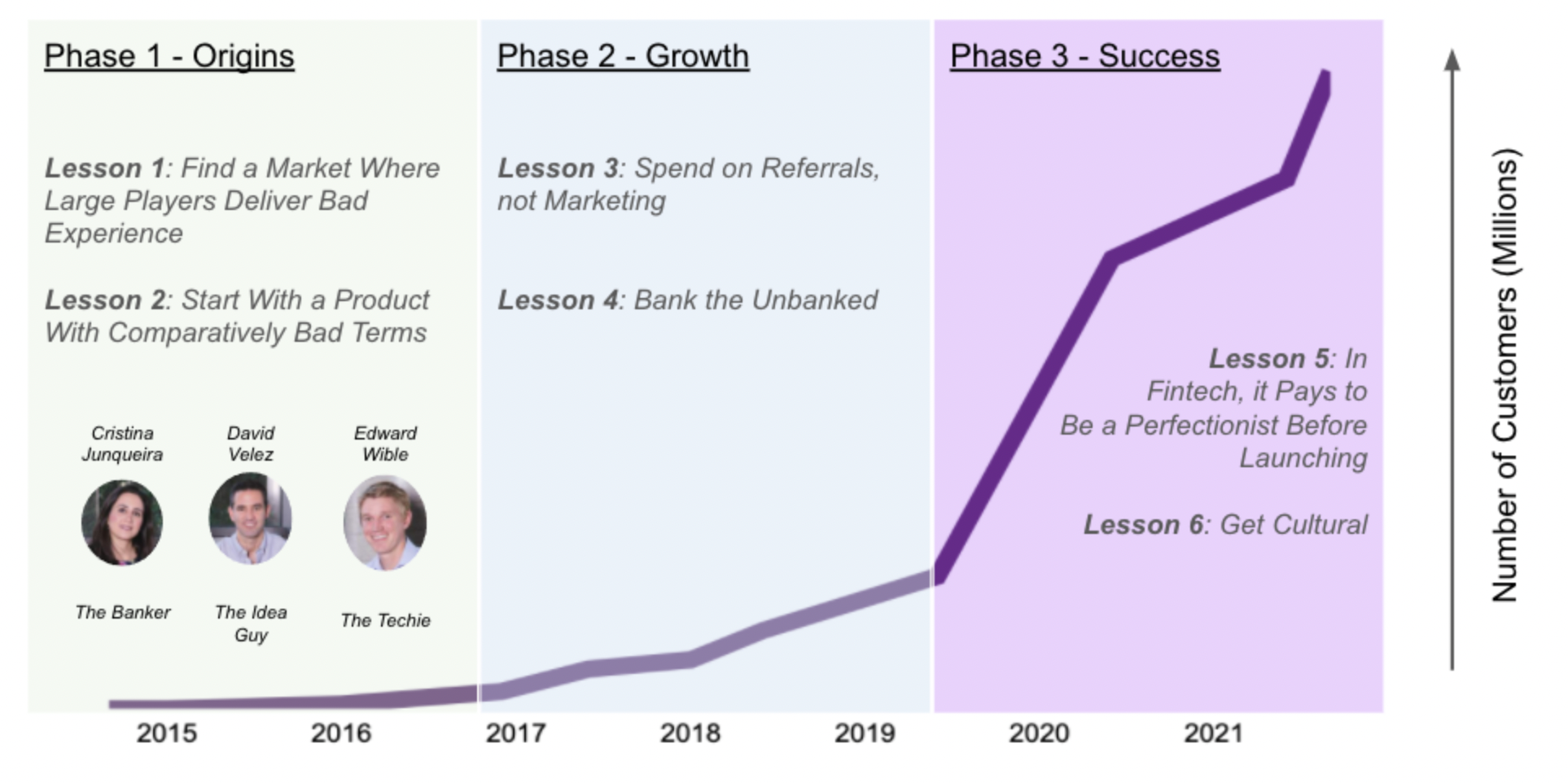
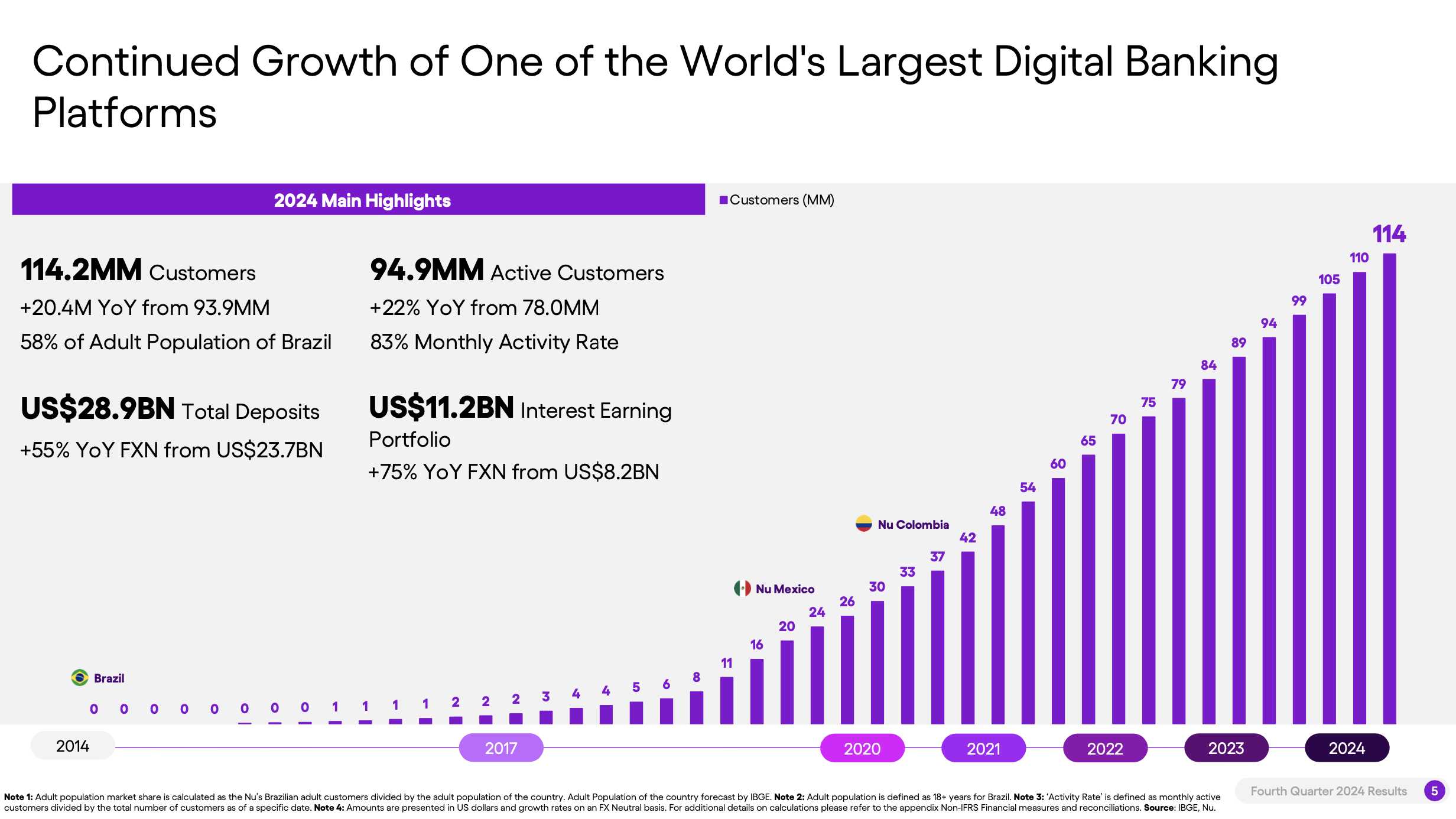
Nubank was founded in 2013 in Brazil by David Vélez, Cristina Junqueira, and Edward Wible to challenge high-fee, complex traditional banking in Latin America. Its strategy is built on a digital-first, low-cost operating model that removes physical branches and delivers financial services through a simple mobile app. Nubank focuses on customer experience, transparency, and rapid onboarding to drive mass adoption among underserved populations. It uses data and machine learning for credit underwriting, enabling scalable lending while managing risk. Growth is driven by cross-selling into credit, savings, insurance, and investments, expanding across Brazil, Mexico, and Colombia while increasing monetisation per customer.
- Nubank
- The Rise of Nubank (Quartr)
- Nubank, Transforming the industry (Sands)
- Nubank Earnings Presentation Q4 2024
- How Nubank became a $30 billion fintech (FT)
- Nubank Profile and David Valez and Cristina Junqueira Profile (Peter Fisk)
Growth Champion: Nvidia
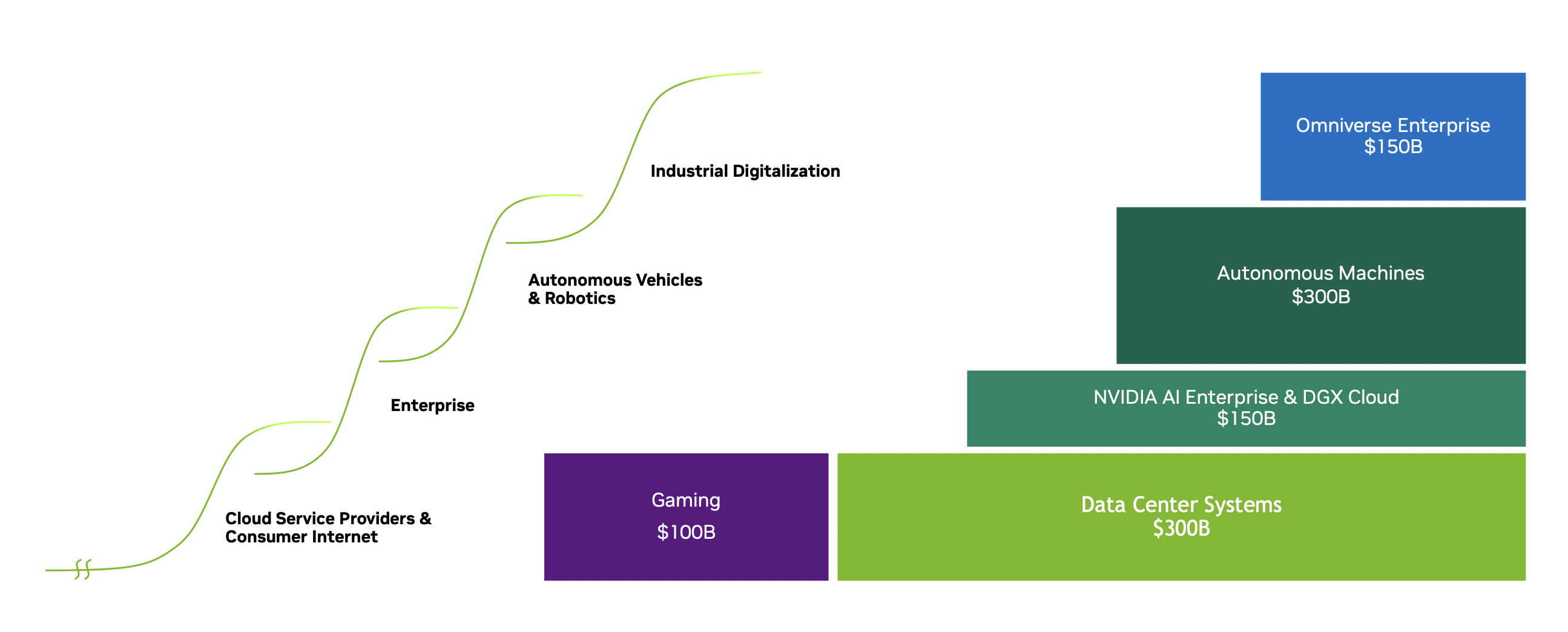
Nvidia was founded in 1993 in California by Jensen Huang, Chris Malachowsky, and Curtis Priem, initially focused on graphics processing units (GPUs) for gaming and visual computing. Its strategy has evolved into dominating accelerated computing, positioning GPUs as essential infrastructure for AI, data centres, and scientific computing. Nvidia’s key advantage is its integrated hardware-software ecosystem, particularly the CUDA platform, which locks in developers and creates strong switching costs. It drives growth through leadership in AI chips, high-performance computing, and networking systems. Increasingly, Nvidia is expanding into full-stack AI infrastructure, partnering with hyperscalers and governments to power global AI transformation.
- Nvidia Story
- Nvidia Overview 2025
- Nvidia Shareholder Presentation 2024
- Nvidia growth forecasts (Yahoo Finance)
- Jensen Huang Profile (Peter Fisk)
Growth Champion: On
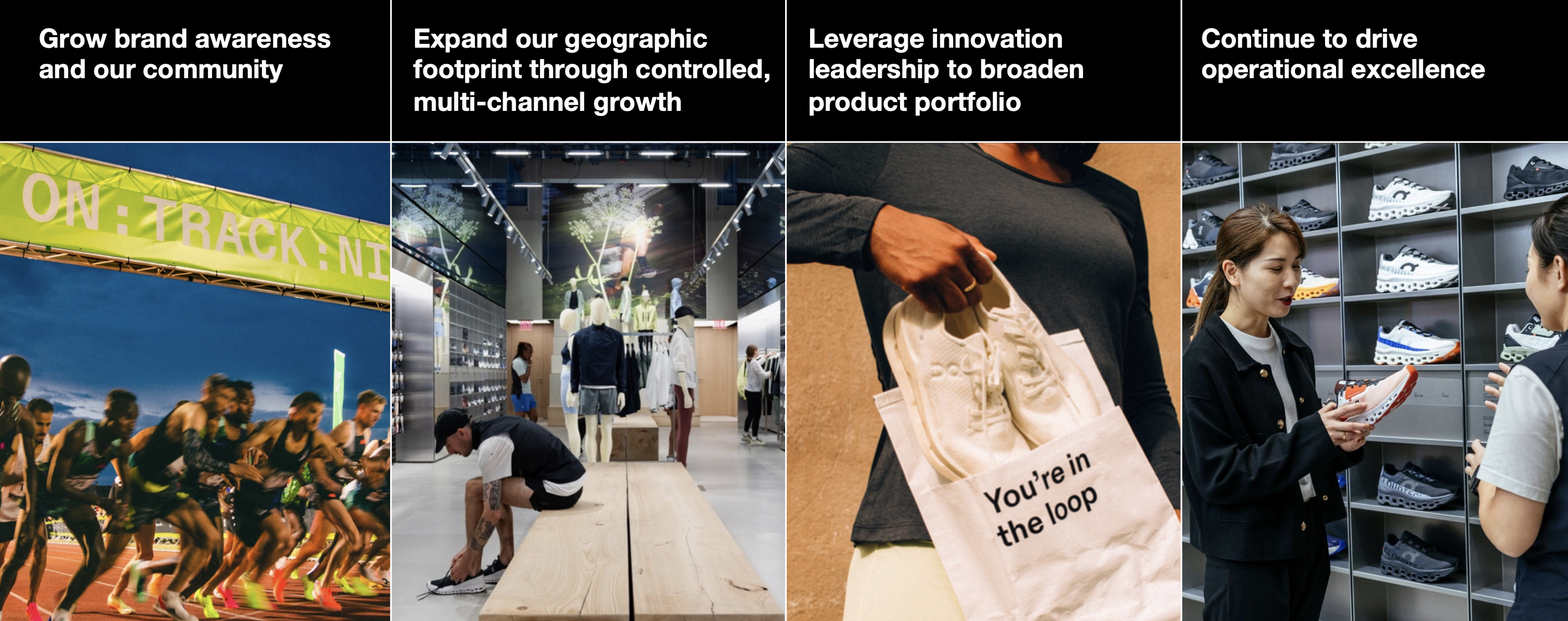
Olivier Bernhard is on a mission to “ignite the human spirit through movement” and to make Swiss brand On “the most premium global sportswear brand”. The former triathlete devoted himself to finding a running shoe that would give him the perfect running sensation. In doing so he crossed paths with a like-minded Swiss engineer who had an idea for a new kind of running shoe. On’s strategy is built on premium performance positioning, product innovation, and strong brand storytelling in the global athletic footwear market. It differentiates through proprietary technologies like CloudTec cushioning and lightweight engineered materials, delivering distinctive comfort and running experience. The company has expanded from performance running into lifestyle and fashion segments, elevating brand desirability through design collaborations and cultural partnerships, including with tennis star Roger Federer. Growth is driven by direct-to-consumer channels alongside selective premium retail distribution, enabling margin expansion and brand control. On is also scaling globally, particularly in the US and Asia, while maintaining a high-end, innovation-led brand identity.
- On
- On Investor Day 2025
- On Annual Report 2024
- Circular Running (Peter Fisk)
- On Profile (Peter Fisk)
Growth Champion: Ping An
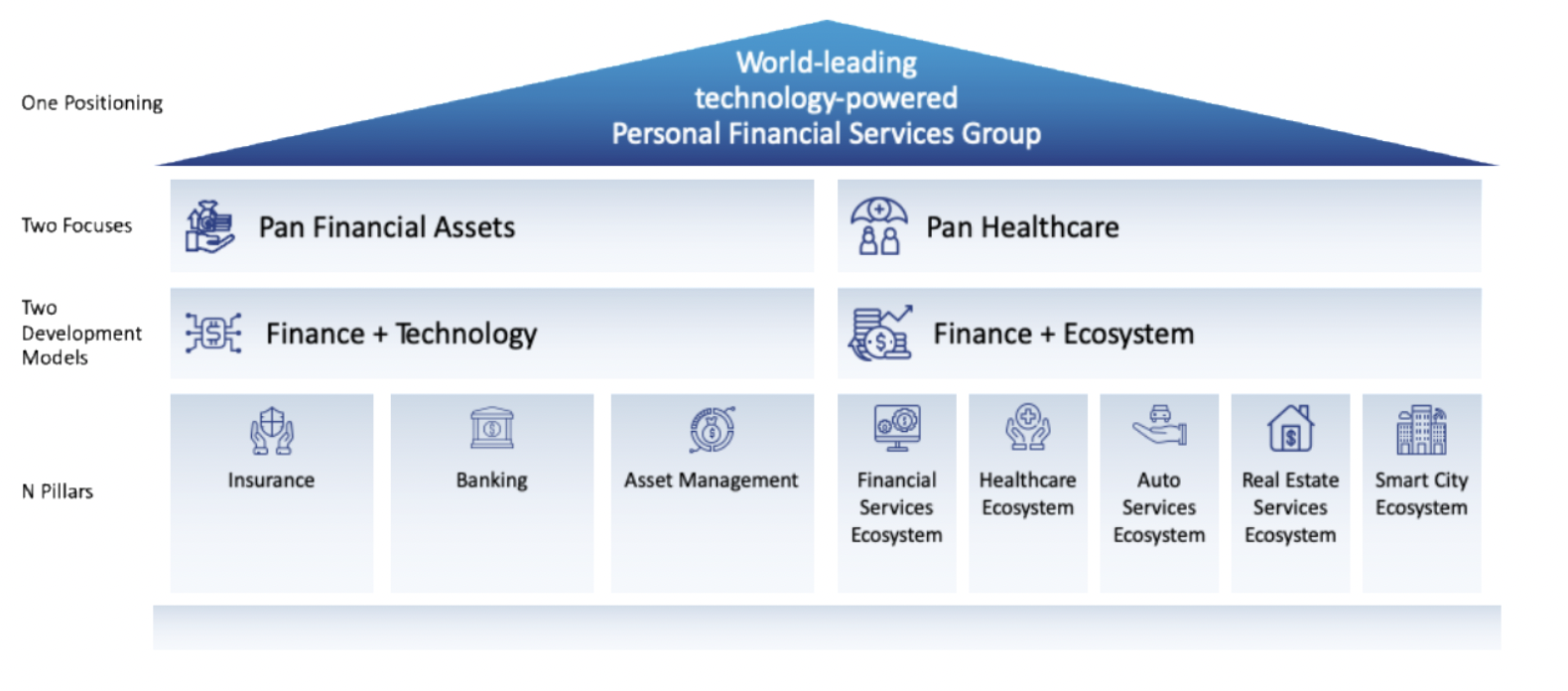
Ping An originated in 1988 in Shenzhen as one of China’s earliest joint-stock insurance companies, initially focused on property and casualty insurance before expanding into life insurance, banking, and asset management. Its strategy evolved into a “financial + ecosystem” model, integrating insurance, banking, and investment services through a unified digital platform. Over time, it has built large health, auto, and smart city ecosystems, using data and AI to enhance underwriting, risk management, and customer engagement. Ping An’s competitive edge lies in technology-led transformation, heavy investment in AI and cloud infrastructure, and cross-selling across financial services to maximise lifetime customer value.
- Ping An
- Ping An Results Presentation 2024
- Ping An Investor Day 2023
- Ping An Results Presentation Oct 2023
- Ping An: The Reinvention, Good Doctor and Beyond
- Ping An Profile and Jessica Tan Profile (Peter Fisk)
Growth Champion: Revolut
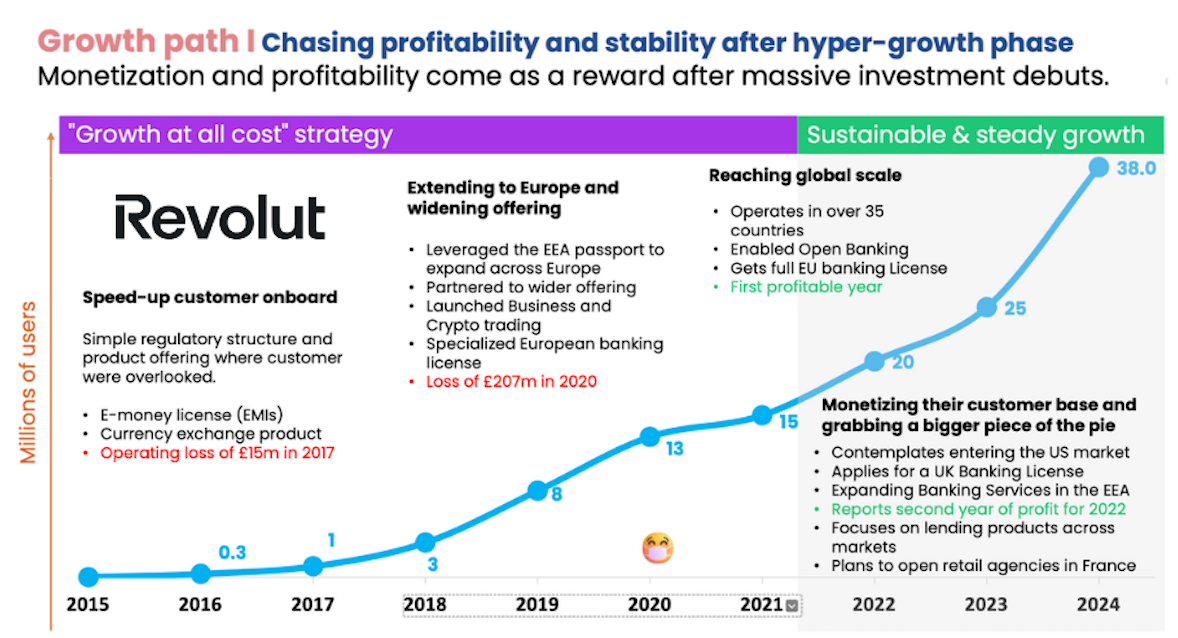
Revolut was founded in 2015 in London by Nikolay Storonsky and Vlad Yatsenko to disrupt traditional banking with a mobile-first, low-cost alternative. It began with foreign exchange and payments, offering interbank rates and a seamless app experience. Its growth strategy is built on rapid customer acquisition through a freemium model, viral adoption, and continuous feature expansion. Revolut evolves into a “financial super-app,” adding trading, crypto, insurance, and business services to increase engagement and monetisation. It scales internationally at pace while leveraging data and automation to keep costs low, aiming to become a global, full-service digital bank.
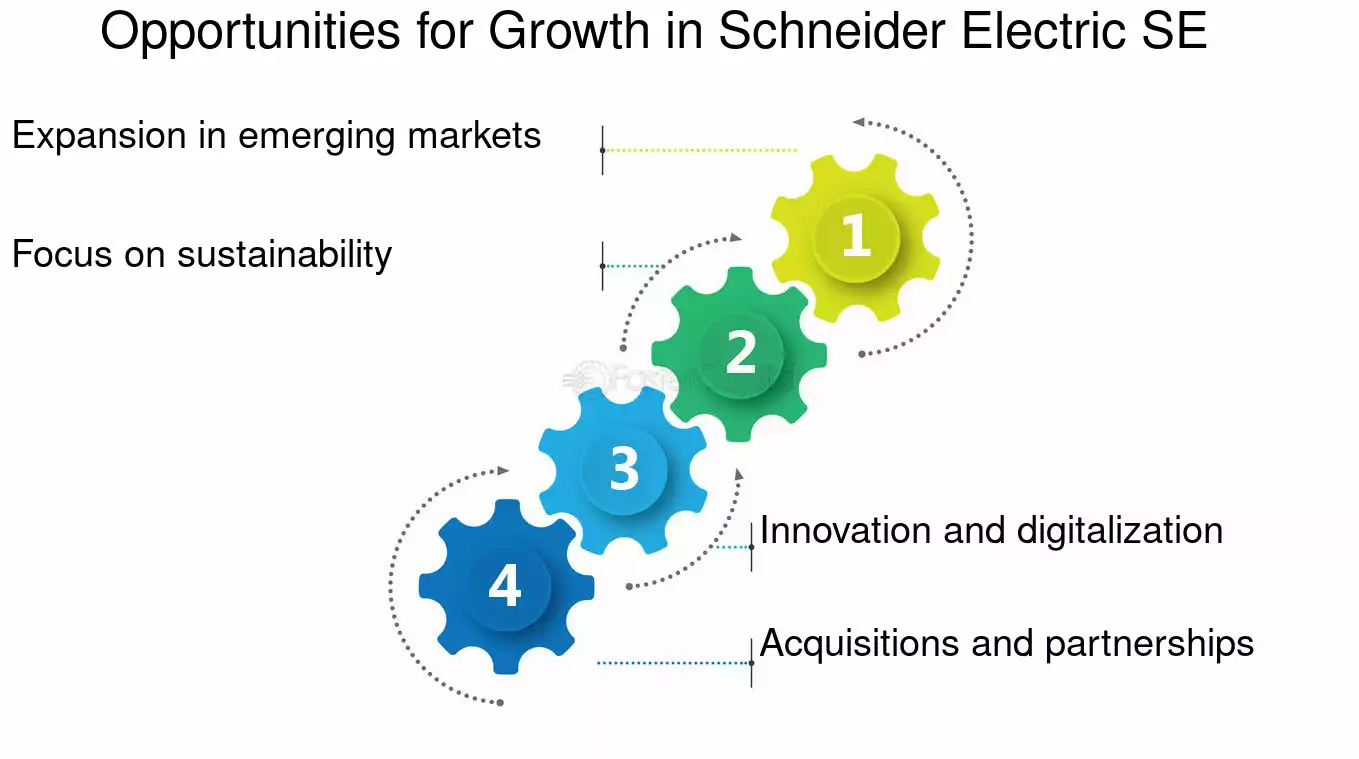
Growth Champion : Schneider Electric
Growth Champion: Tencent
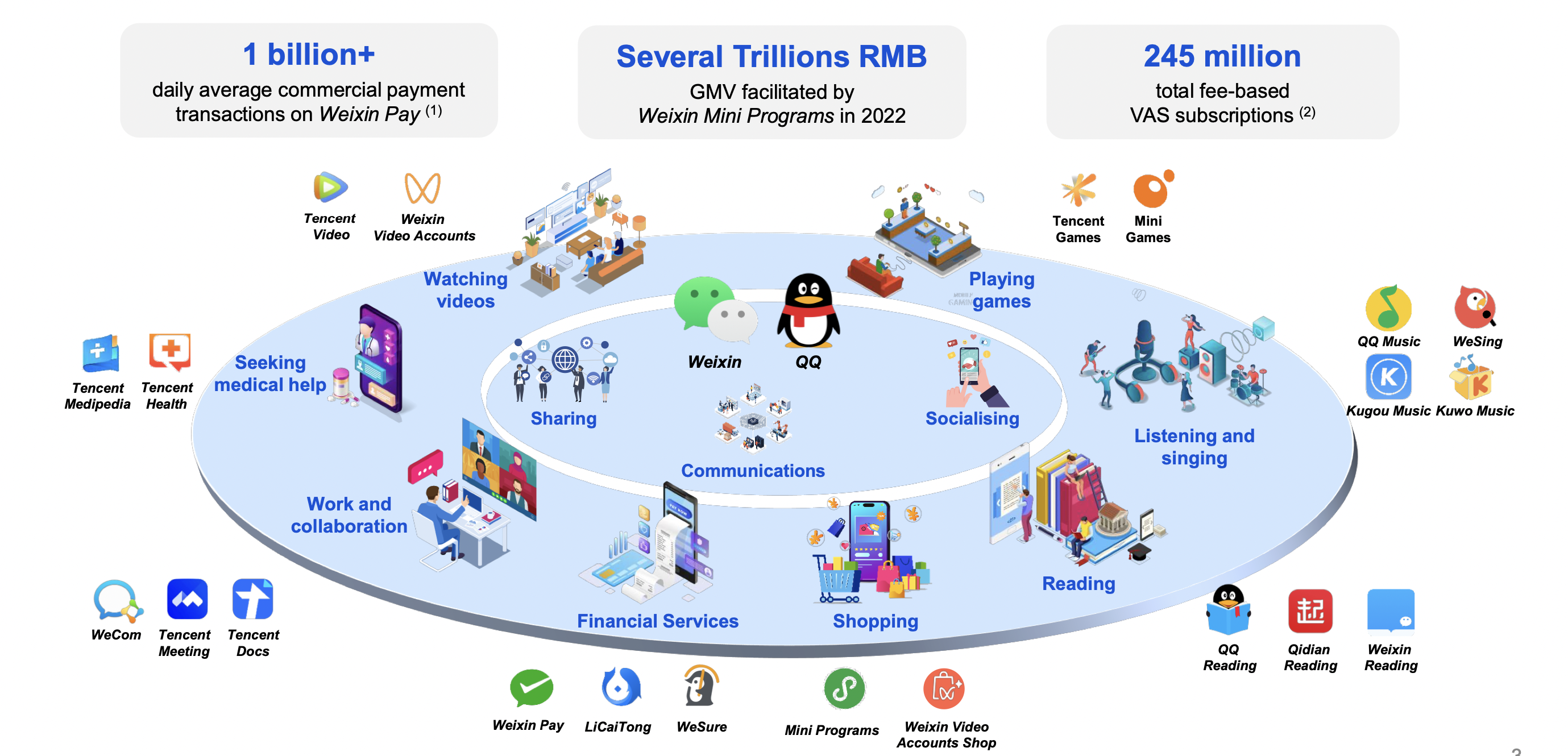
Tencent is a tech ecosystem, with a purpose “Value for Users, Tech for Good”. It was founded in 1998 in Shenzhen by Ma Huateng and partners, initially launching the QQ instant messaging platform that rapidly scaled in China’s early internet era. Its strategy evolved into building a diversified digital ecosystem anchored in social platforms, gaming, fintech, and cloud services. WeChat became the super-app foundation, integrating messaging, payments, commerce, and services into one platform with massive network effects. Tencent monetises through digital content, advertising, and its world-leading gaming portfolio, including stakes in global studios. The company also operates as a major investor in technology ecosystems worldwide, using capital allocation to extend strategic influence and innovation reach.
- Tencent
- Tencent Corporate Overview 2024
- Tencent Results Presentation Q4 2024
- Tencent Profile (Peter Fisk)
Growth Champion: Tesla
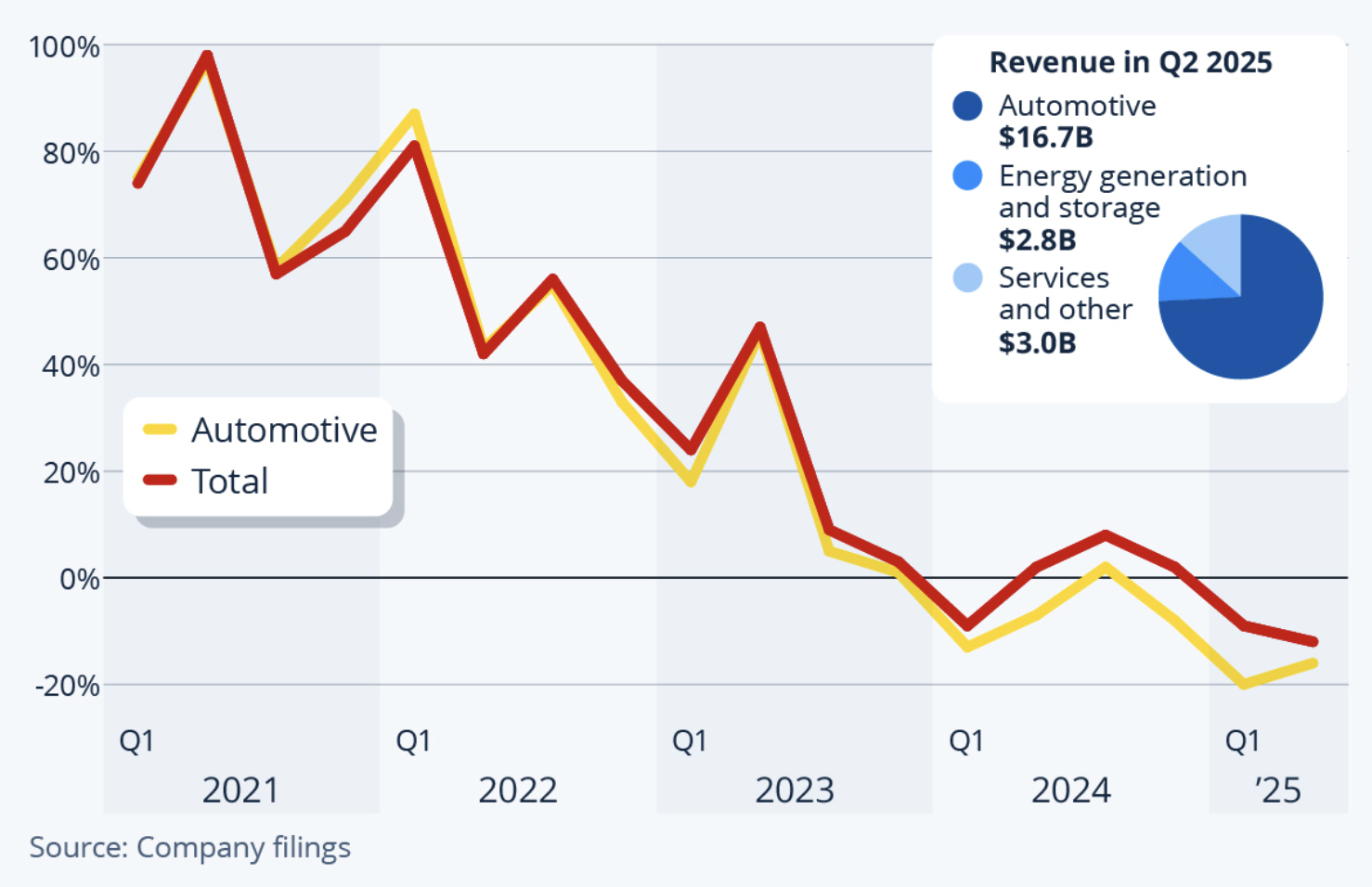
Faster than a Ferrari, powered by the sun. Tesla was founded in 2004 “to accelerate the world’s transition to sustainable energy”. Founded in 2003 in California by engineers Martin Eberhard and Marc Tarpenning (Elon Musk took over as CEO in 2008, and achieved profitability in 2013), Tesla set out to accelerate the transition to sustainable energy through electric vehicles. Its strategy combines vertical integration, software-first design, and continuous innovation. Tesla controls key parts of its value chain, including battery technology, software, and increasingly manufacturing (Gigafactories), enabling speed and cost advantages. It differentiates through over-the-air updates, autonomous driving capabilities, and direct-to-consumer sales. Beyond cars, Tesla is expanding into energy storage, solar, and AI-driven robotics, positioning itself as a broader clean energy and technology platform company.
- Tesla Q1 2026 Update
- Tesla AGM 2025 presentation
- Tesla Master Plan Part 3
- Tesla Profile and Elon Musk Profile (Peter Fisk)
Growth Champion: Tony’s Chocolonely
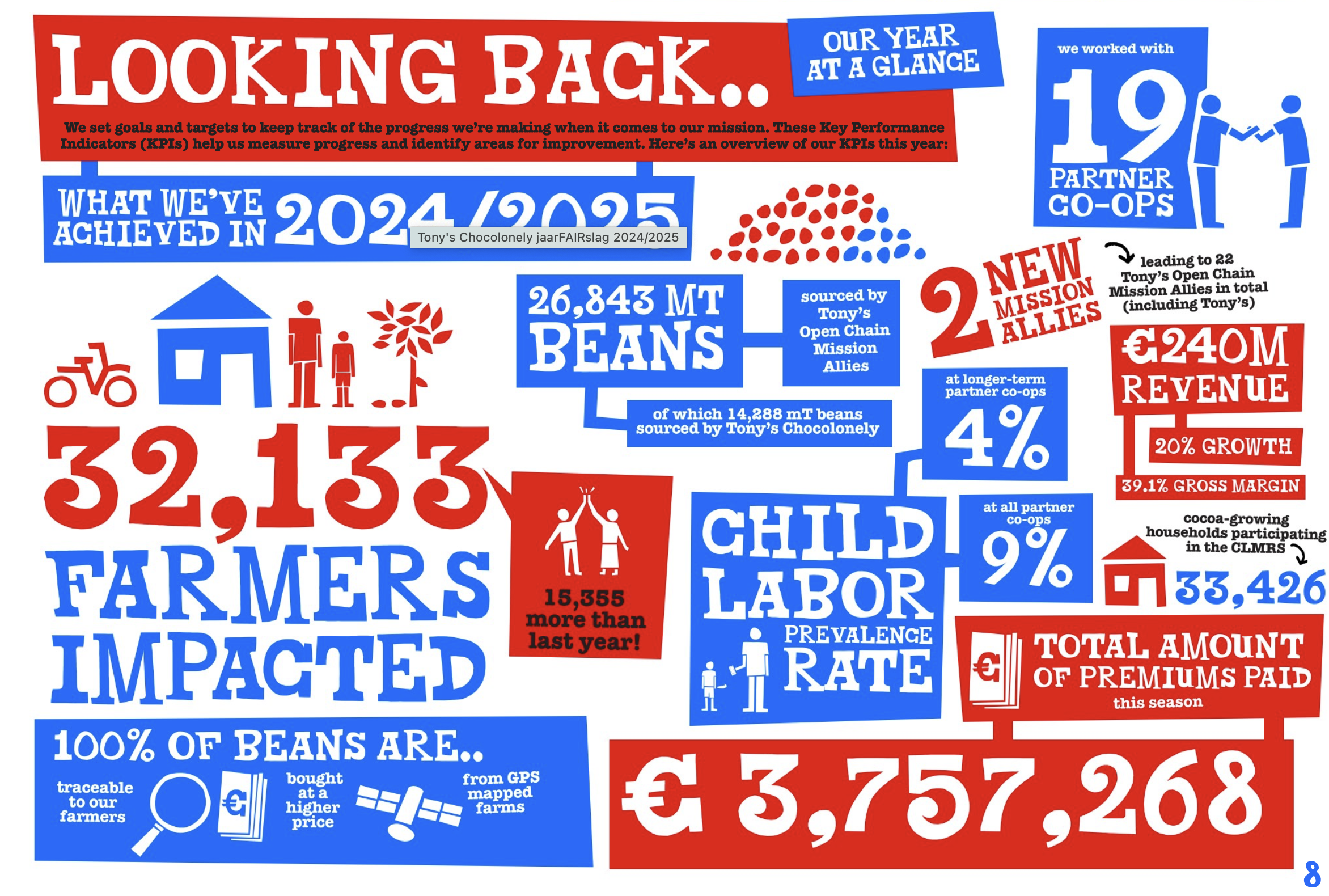
Dutch journalist, Teun van de Keuken, founded the chocolate company in 2005 to fight against modern slavery on cocoa farms. Over 10 years it grew 10x, 24% a year, and a gross margin of 46%, and is the leading chocolate brand in Netherlands. It’s latest “fair” report starts with “Another choc-tastic year, proving that social impact and economic growth can soar together.”
- About, timeline
- Tony’s Chocolonely Annual Report 2024/5
- 10X+ growth from €1m to €100m in 10 years (SOM)
- Tony’s Chocolonely Profile (Peter Fisk)
Explore more about growth
- The New Growth Playbook by Peter Fisk
-
Growth in an uncertain world by Deloitte
- Growth in the New Economy by WEF
- Courageous Growth: 6 Strategies by McKinsey
- 4 Stages of Growth: Start-up, Grow-up, Scale-up
- Now New Next: Growth Champions by Mckinsey
- Leading for Growth by McKinsey
- Growth Triple Play by McKinsey
- 6 Strategies for Growth by McKinsey
-
10 Rules of Growth by McKinsey
- Summary of Growth IQ by Tiffani Bova
- Growth IQ Workbook by Tiffani Bova
- Life Centricity Playbook by Accenture
- 11 Secrets for Exponential Growth by Salim Ismael
-
Video: AG Lafley on Growth Strategy
- Video: Inside P&G’s Growth Factory