Alma Carraovejas … How a Segovia restaurant called José María evolved into one of the world’s top ranked vineyards … and Pedro Ruiz’ ambition to grow the business in new and innovative ways
November 25, 2026
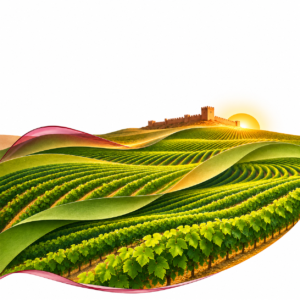
Pago de Carraovejas has risen to 12th in The World’s 50 Best Vineyards 2026. Behind the ranking is a family business that has found new ways to grow through distinctive vineyards, strong wine brands, Michelin-starred hospitality and a long-term commitment to the places that make its wines possible.
From Pago de Carraovejas, you can see Peñafiel Castle stretched along the ridge above the valley. The vineyard below is a patchwork of terraces, steep slopes and gentler ground. Walk through it and you begin to understand why a bottle from one hillside can taste so different from an estate wine drawn from across the valley. Sit down for lunch at Ambivium, the winery’s restaurant, and you come full circle. The business began with a question about what to serve at the table.
In November 2026, Pago de Carraovejas rose to 12th in The World’s 50 Best Vineyards, putting the Peñafiel estate among the world’s leading wine destinations. Visitors can see where the grapes grow, learn how they are selected, and taste the wines with dishes made for them. That experience is the latest chapter in a family business that has grown from a restaurant in Segovia into a group encompassing vineyards across Spain, a distribution and importing business, a Michelin-starred restaurant and a foundation devoted to wine culture.
Meeting Pedro Ruiz Aragoneses in Peñafiel brought into focus the strategic question behind that growth. His family had built something whose value came from a particular place and a reputation earned over years. How could the next generation use that advantage to build a bigger business while giving each new vineyard room to develop its own identity?
José María, the Segovia restaurant where it started
José María Ruiz came to winemaking from the dining room. A sommelier and restaurateur, he and his wife, Chon, built Restaurante José María in Segovia around a clear idea of hospitality. Its signature dish was cochinillo asado, the region’s roast suckling pig. José María wanted a red wine with enough freshness to balance the richness of the dish and enough character for guests to remember it after dinner.
That was a specific brief. The wine would have to earn its place at the table, where the customer could judge it over a whole meal. The restaurant also gave the family a direct relationship with the people drinking it. They could see which bottles guests asked for again and hear how they described the wines to others.
In 1987, the project began with nine hectares at Pago de Carraovejas, near Peñafiel in the Ribera del Duero. By the first harvest in 1991, about 25 hectares were in production, yielding roughly 70,000 kilos of grapes. The family planted Tinto Fino, the local name for Tempranillo, alongside Cabernet Sauvignon and Merlot. Tinto Fino would provide the core of the wine, with the other varieties giving the team room to adjust the blend as the character of each harvest changed.
The estate grew through successive expansions of the vineyard and winery. It took years for a wine conceived for one restaurant to become a name that diners would recognise elsewhere. The family had started with a clear purpose for the bottle. The reputation followed from repeatedly delivering on it.
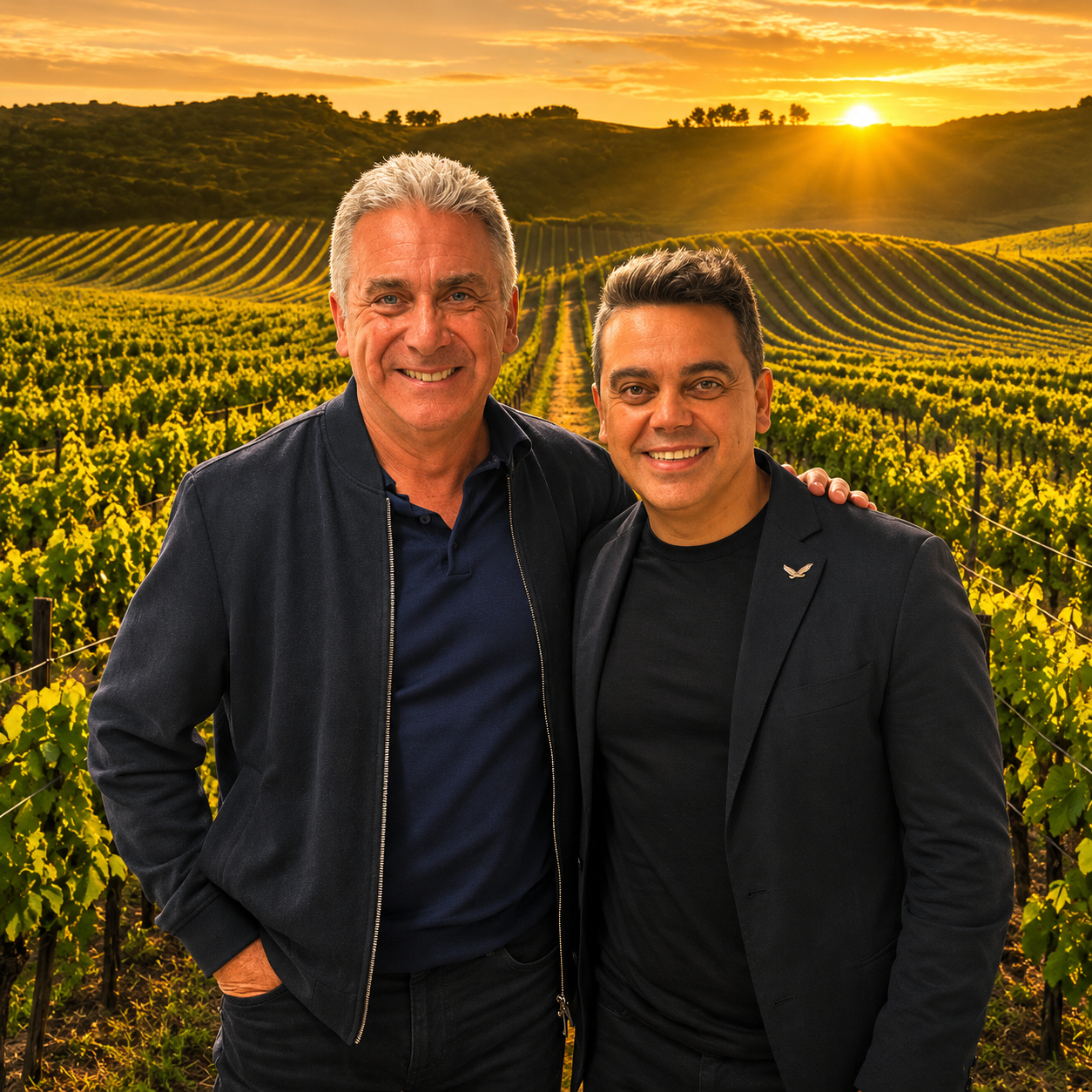
Pedro Ruiz and the second generation
Pedro (with me, above) took the helm in 2007. He inherited a successful Ribera del Duero estate and a family that understood wine from both sides of the table. He also inherited a choice common to second-generation leaders. How much of the future should come from extending the original business, and how much should come from applying what it had learnt somewhere new?
At Pago de Carraovejas, Pedro invested in more precise viticulture and opened the estate to visitors. Beyond Peñafiel, he began building a group of wineries, each with its own connection to a region, a grape or a particular way of farming. Alma Carraovejas became the name for the wider business, giving it room to grow while Pago de Carraovejas remained the name of the founding estate and its flagship wine.
The scale of that change is apparent in the figures. Pedro told El País that group turnover had grown from just over €2 million to more than €30 million in 2025 over roughly a decade. The route there was uneven. In 2024, he said, frost took about 90% of production at Ossian and hail affected around 40% at Pago de Carraovejas, including its most emblematic hillside. The newspaper reported a €9.3 million loss for 2024, followed by gross operating profit of about €10 million in 2025, the group’s best year for turnover.
A winery feels the effects of an agricultural setback across several years. Pago de Carraovejas’s 2024 estate red, for example, was bottled in spring 2026. Between harvest and sale, the business has to pay the people who care for the vines and make the wine, fund ageing and hold stock. Pedro’s experience shows how quickly the demands of expanding a portfolio can collide with the rhythms of farming. It also explains why the original estate’s ability to sell wine consistently matters so much to the wider group.
Pago de Carraovejas and the work behind the brand
More than a hundred individual plots make up the Carraovejas estate. The vineyard team adapts its work to the contours of the land, from lower ground to slopes steep enough to require terraces. At harvest, grapes are selected in the vineyard and sorted again at the winery, first by bunch and then by berry. That attention to individual parcels gives the winemaking team options. It can draw from across the property to make a recognisable estate wine and reserve the fruit of particular sites for wines with a narrower sense of origin.
The three principal wines show how vineyard, grape and brand name contribute different things. Pago de Carraovejas, by far the biggest-selling label in the estate’s published bottle breakdown, is the generous, supple flagship. The 2024 vintage blended 95% Tinto Fino with small amounts of Merlot and Cabernet Sauvignon. El Anejón draws on the terraces at the entrance to the valley and uses the same three varieties to make a more concentrated, finely textured wine in exceptional years. Cuesta de las Liebres is a powerful, long-lived Tinto Fino from a steep, limestone-rich hillside, also made only in exceptional vintages. Its 2021 vintage received 100 points from critic Jeb Dunnuck, and all three labels were picked in blind tastings for the 2026 World’s Best Sommeliers’ Selection. The grape tells a drinker something about the style, the vineyard explains the difference between the wines, and the name gives the customer something to ask for again. The estate wine earns its place through character and availability. Its two scarcer siblings give people who already know it somewhere to go next.
The estate’s 2025 commercial figures put that popularity in perspective. Across its wines, Pago de Carraovejas sold about 979,000 bottles, generating €21.7 million in wine sales. Spain accounted for the great majority of bottles. Exports reached about 163,000 bottles and €4.1 million in sales value, up from €3.7 million in 2024, even as total estate bottle sales eased from just over one million. A merchant can reorder the flagship. A restaurant can list it with confidence. Those unglamorous advantages are part of what makes the estate the economic centre of Alma Carraovejas.
Growing through vineyards with identities of their own
The clearest test of Pedro’s approach came in Segovia, where Ossian Vides y Vinos works with Verdejo around Nieva. Some of its ungrafted vines date back to before phylloxera. The range makes that heritage accessible at different levels, from fresh Quintaluna, through the deeper and more textured Ossian, to Capitel, a single-parcel wine from Peña Aguda. Ossian is now the group’s second-largest estate by bottle volume. Its winery-wide sales rose from about 201,000 bottles in 2024 to 209,000 in 2025, with sales value increasing from €2.49 million to €2.81 million. That makes it the strongest evidence so far that the business can build substantial demand around an identity far removed from its founding red.
Milsetentayseis takes the group back to Ribera del Duero, to the higher elevations of Fuentenebro in the south of the appellation. There, altitude and distinctive soils help give the wines a fresher, firmer character. The estate sold about 31,000 bottles in 2025, slightly down on 2024, while export volume increased. The company used the year to sell through an existing vintage and build recognition with importers. It is a reminder that having an admired wine, or even an established route into a market, still leaves the work of creating demand for an unfamiliar name.
The other projects extend the range of landscapes and traditions. In Galicia’s Ribeiro, Viña Meín and Emilio Rojo give the group a stake in a distinctive tradition of blended whites. Bodega Marañones works with Garnacha and Albillo Real in the Sierra de Gredos. Aiurri explores Rioja Alavesa through wines tied to particular villages and sites. Marañones made the largest recent volume gain among these smaller estates, rising from about 22,000 bottles in 2024 to 38,000 in 2025. Aiurri reached about 37,000 bottles, nearly half sold abroad. Emilio Rojo sold just over 2,300 bottles, with a small international allocation directed towards fine dining. Each has a different route to building demand, from wider availability to a tightly allocated wine that gains recognition on influential lists.
The group can help each estate through the practical work of reaching customers. Alma Carraovejas Distribución sells the group’s wines and imports wines from other producers. A shared commercial team can introduce a Gredos Garnacha to a restaurant that already buys Pago de Carraovejas, or help a merchant explain a Galician white to customers who mostly know Spain through Rioja and Ribera del Duero. Each vineyard keeps its own name, while the group does the work that makes the name easier to discover and the bottle easier to buy.
Ambivium, with a Michelin star, brings the story back to the table
Pago de Carraovejas began welcoming visitors in 2013 and opened Ambivium in 2017. The restaurant, which holds a Michelin star and a Michelin Green Star, reverses the journey José María made. He started with a dish and imagined a wine to accompany it. At Ambivium, the wines can set the direction for the meal. Serving several estates at one table gives a guest the chance to taste what changes when the grape, region or site changes.
For the business, hospitality creates a direct relationship with people who might otherwise know it from a label on a shelf. The guest who walks the terraces can picture where El Anejón comes from. The guest who tastes an old-vine Verdejo with a dish has a reason to remember Ossian. For employees and trade partners, the restaurant offers a place to see how the wines work in the setting that initially inspired the family.
Ambivium recorded about €2.1 million in net sales in 2025. Its place in the business is larger than the restaurant’s own revenue suggests. It gives people a reason to travel to Peñafiel, brings the group’s estates together in one experience and helps explain why Pago de Carraovejas has climbed the global vineyard ranking. The estate’s approach to tourism has its roots in the same decision that launched the original wine. Understand what happens at the table, then work back to what makes that experience possible.
Becoming a B Corp and investing in wine culture
Alma Carraovejas extended its B Corp certification across its projects in 2025, with a reported score of 85.9. Applying a common standard across vineyards, distribution and hospitality makes sense for a group whose reputation depends on decisions made in very different parts of the business. How land is farmed, how people are employed and how each estate works with its community all shape the durability of the enterprise.
The vineyards make the long-term stakes visible. An old plot of Verdejo in Segovia carries genetic material, accumulated farming knowledge and a record of how vines have adapted to that place. When the group protects those vines or establishes plantings for future generations, it is making an investment whose returns extend well beyond the next release. The frost and hail losses of 2024 make that commitment more concrete. The group has to preserve what makes particular sites valuable and invest in its ability to farm them through more variable seasons.
The Fundación Cultura Líquida takes the ambition beyond the group’s own vineyards and restaurants. It supports education and creative activity around wine, bringing attention to the people, places and knowledge behind it. That cultural work reflects a long-held family interest. The more people understand how a wine came to be, the more they can appreciate what gives it character and make informed choices about what to drink.
Finding new growth, how far can a sense of place travel?
Alma Carraovejas grew because the family understood both the particularity of a vineyard and the practical work of building a market for its wine. Vines, soil and climate give a bottle much of its character. The people selecting the grapes, making the blend, serving the wine and making sure it can be bought again turn that character into a lasting reputation. Pedro’s contribution has been to build more of those capabilities around the original estate and make them available to vineyards with stories of their own.
The numbers show where that approach has taken the business. Peñafiel still supplies its commercial foundation, at close to a million bottles a year. Ossian has become a substantial second estate. Marañones, Aiurri and Viña Meín are finding larger audiences, while wines such as Emilio Rojo can reach influential tables in tiny quantities. Together, they give the group several ways to grow and several reasons for a customer to choose one of its wines.
Back in Peñafiel, the distance between vine and table is short enough to walk. The distance the wine has travelled commercially is much greater. A bottle created to accompany lunch in Segovia now carries the name of the valley into restaurants and homes around the world. Nearly four decades after the first vines were planted, the climb to 12th in the global ranking gives more people a reason to visit the place behind the name. When they sit down to eat, they encounter the idea José María started with. The wine has a place at the table, and the table gives them a reason to remember the wine.
More from the blog