Alma Carraovejas … inspired by great Spanish wines, and reflecting on the power of a family business … rediscover time, build with purpose, innovate from within, invest in people, make a difference
May 6, 2026

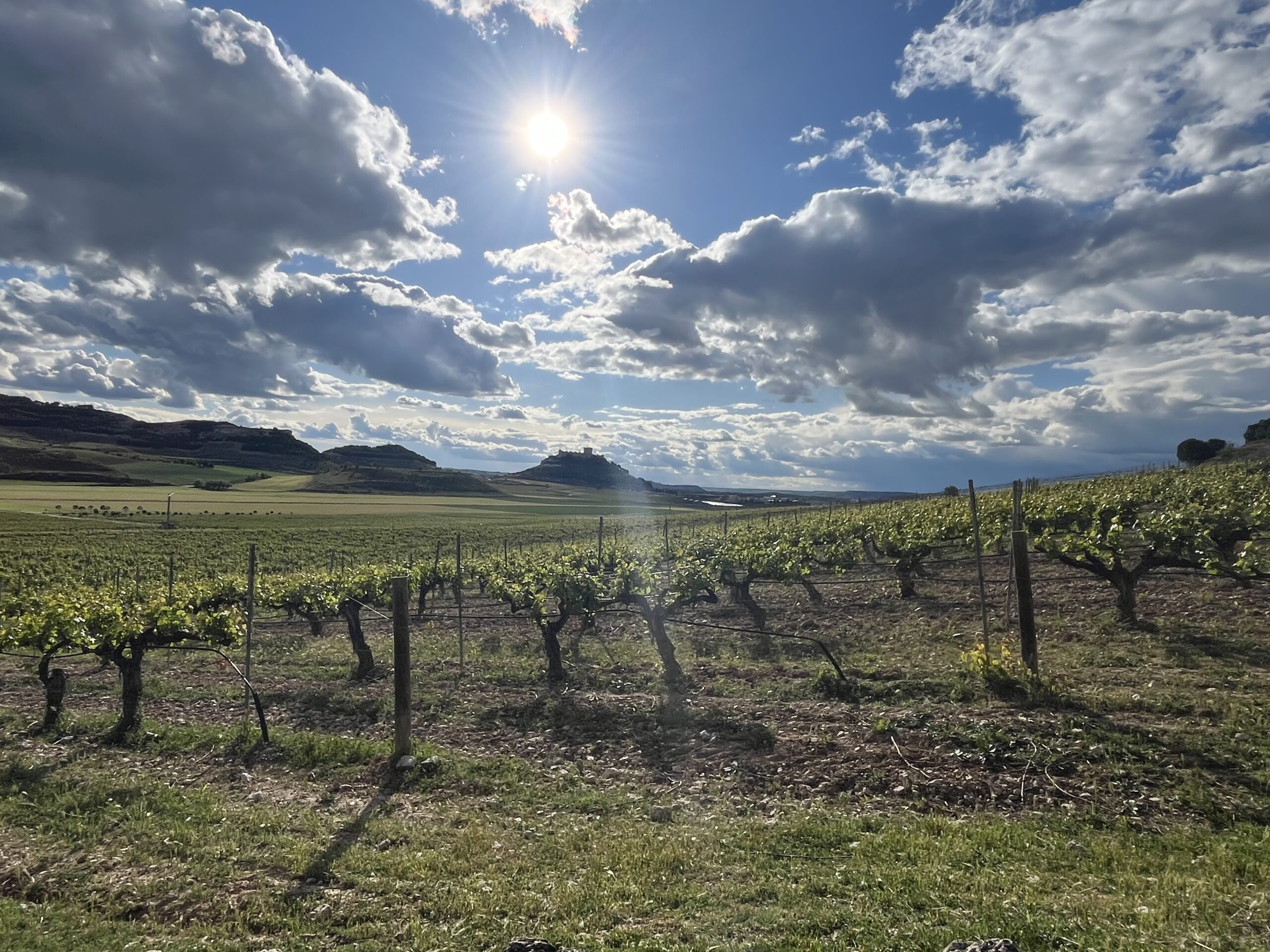
The road out of the beautiful, historic Spanish city of Segovia rises gently up to the Castilian plateau, a landscape shaped as much by time as by terrain. Vineyards stretch across the horizon, their geometry softened by wind and season, their roots digging into centuries of agricultural memory. It was here, that I found myself in conversation with one of Europe’s most compelling next-generation business leaders, an encounter that felt less like a business meeting and more like an inspirational manifesto for building something driven by purpose and passion, something that lasts.
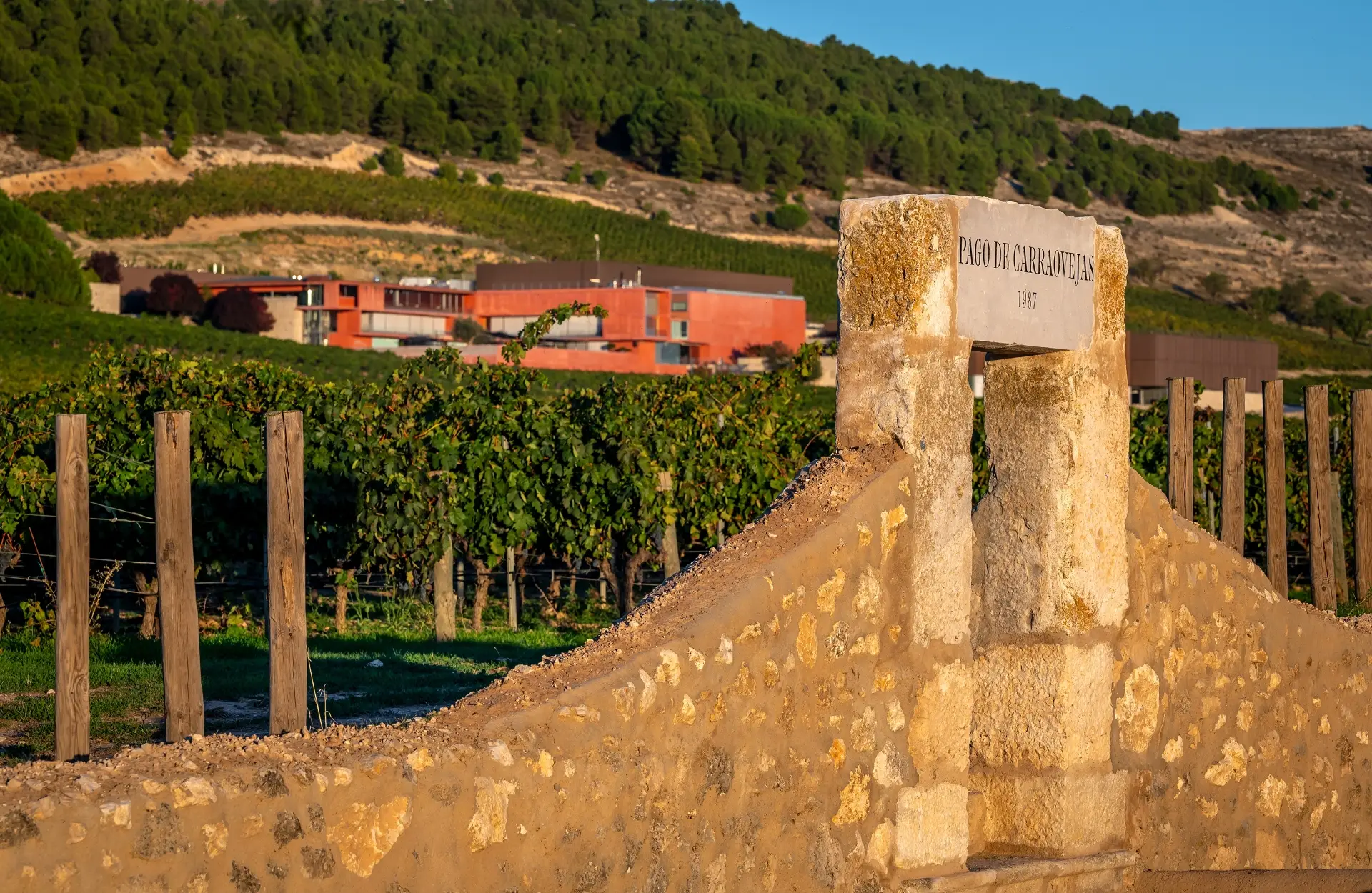
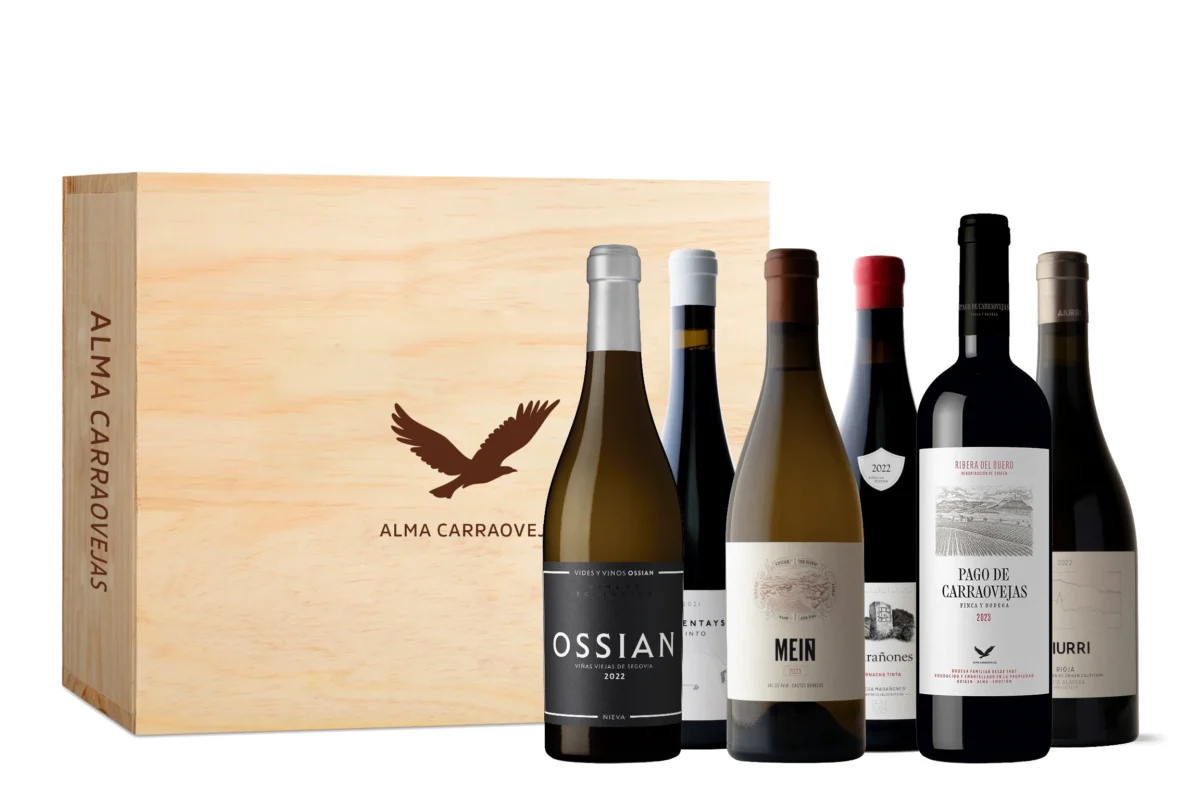
Alma Carraovejas is a leading Spanish wine group founded in 1987 with the creation of Pago de Carraovejas in Ribera del Duero. It has evolved into a multi-winery ecosystem including Ossian Vides y Vinos (old-vine Verdejo), Milsetentayseis (high-altitude Ribera wines), and Aiurri in Rioja Alavesa. The family-owned group is known for meticulous vineyard management, combining heritage and innovation, with gravity-fed wineries, and a strong commitment to sustainability, including organic practices and ecosystem restoration.
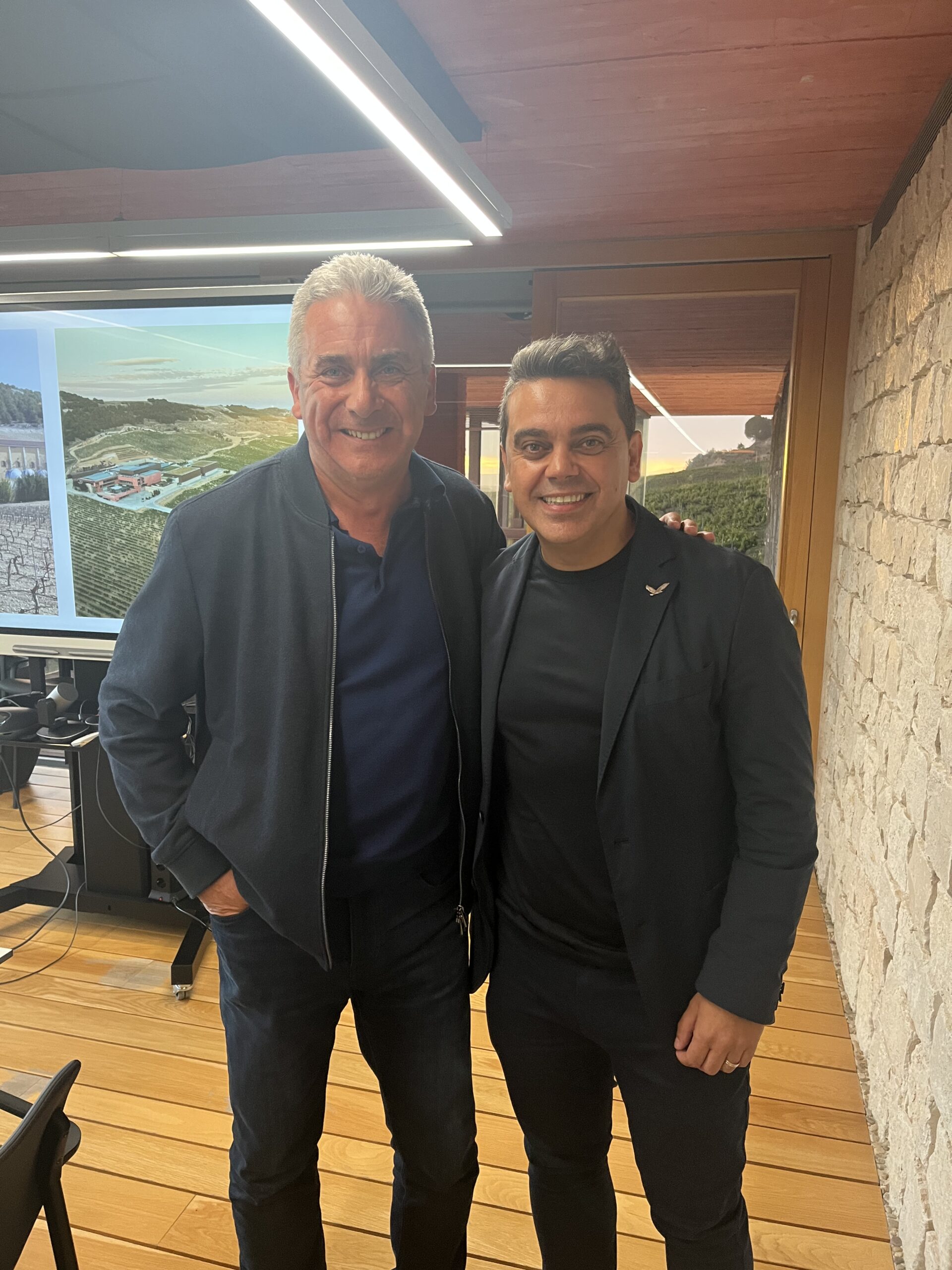
It was great to meet Pedro Ruiz Aragoneses, to share his story, business and vision. He stepped up to become CEO of Alma Carraovejas in 2007 as a 24-year-old next-generation leader, transforming the business from a single estate into a diversified, premium wine company. Today his wines sell from €30 to €150 a bottle, and his Michelin-starred restaurant at the vineyard offers a €350–750 tasting menu. He emphasises long-term value creation through a love of great wines, innovation in viticulture, and experiential wine tourism.
Under his leadership, the wine group has expanded production, embraced the latest data analytics and technology, strengthened its international presence, become a B Corporation, and built a reputation for consistently high-quality wines, while maintaining a deep respect for heritage and community.
The power of family business
Standing in those vineyards, one is struck by a paradox. In a world obsessed with venture capital, unicorn valuations, and quarterly earnings calls, some of the most resilient, innovative, and quietly successful businesses are those owned and shaped by families.
They rarely dominate headlines. They seldom chase hype cycles. They do not pivot every six months in pursuit of growth at any cost. And yet, collectively, they represent one of the most powerful forces in the global economy.
Family businesses account for more than 70% of global GDP and employ the majority of the world’s workforce. In Europe, they form the backbone of industrial strength—particularly in Germany’s Mittelstand, Italy’s manufacturing clusters, and Spain’s agricultural and hospitality sectors. In emerging markets, they are often even more dominant, acting as anchors of stability in volatile economic environments.
And yet, they are often misunderstood.
In the dominant narrative of modern capitalism, success is framed through the lens of scale, speed, and disruption. Start-ups are celebrated for their agility and ambition. Corporates are judged by their efficiency and shareholder returns. Family businesses, by contrast, are frequently seen as conservative, slow-moving, or even outdated.
The reality, as Alma Carraovejas illustrates so vividly, is far more nuanced—and far more interesting.

Time as a strategic advantage
The most fundamental difference between family businesses and other organisational forms is their relationship with time.
Public companies are governed by quarterly reporting cycles. Private equity-backed firms operate within defined investment horizons. Start-ups often live or die by the speed at which they can achieve product-market fit and scale.
Family businesses, at their best, operate on a completely different timeline.
They think in decades, not quarters. In generations, not funding rounds.
This long-term orientation creates profound strategic advantages. It allows for:
- Patient capital, investments that may take years to mature
- Consistency of purpose, a clear sense of identity that endures beyond leadership transitions
- Resilience, the ability to weather downturns without panic-driven decision-making
In wine, this is almost self-evident. Vines take years to mature. Soil health evolves over decades. Reputation is built over generations. But the same principle applies across industries.
Consider Mars, Incorporated, one of the world’s largest privately held companies. Owned by the Mars family for over a century, it has consistently prioritised long-term brand building, supply chain control, and product quality over short-term financial engineering. Its expansion into pet care, for example, was not a quick diversification play but a decades-long strategic evolution.
Or LVMH, controlled by the Arnault family, which has mastered the art of nurturing heritage brands while scaling them globally. Luxury, by definition, depends on time—craftsmanship, storytelling, and scarcity cannot be rushed.
In each case, time is not a constraint. It is an asset.
Identity, purpose, and emotional capital
Another defining feature of family businesses is the depth of their identity.
Where many corporations rely on mission statements crafted by consultants, family businesses often embody a lived purpose—one that is deeply personal and culturally embedded.
At Alma Carraovejas, this is evident in the way Pedro Ruiz speaks about wine not as a product, but as an expression of land, history, and human care. The business is not simply about revenue growth; it is about stewardship.
This sense of purpose creates what might be called emotional capital—a powerful, intangible asset that influences decision-making, employee engagement, and customer loyalty.
Employees in family businesses often feel part of something more meaningful than a transactional employer relationship. Customers perceive authenticity and continuity. Communities see a long-term partner rather than a transient investor.
This does not mean family businesses are inherently virtuous. But when they are well-led, they can align economic success with social and environmental responsibility in ways that are difficult for other organisational forms to replicate.
Innovation without the noise
There is a persistent myth that family businesses are less innovative than start-ups or corporates. In reality, they often innovate differently—and sometimes more effectively.
Start-ups tend to pursue disruptive innovation, seeking to overturn existing markets. Corporates focus on incremental innovation, optimising existing operations. Family businesses frequently excel at sustained innovation—a continuous process of improvement and reinvention anchored in deep domain expertise.
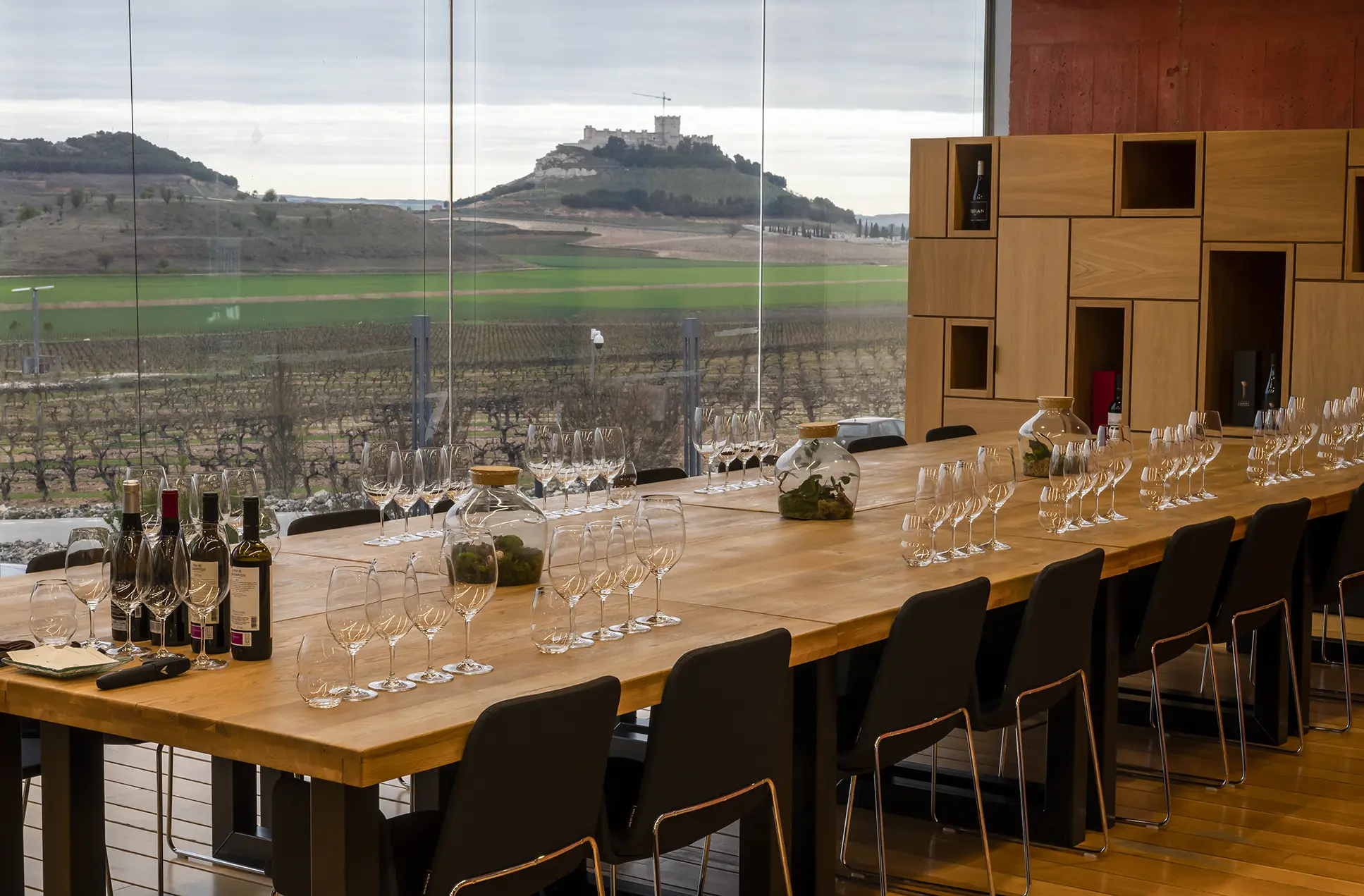
At Alma Carraovejas, innovation is not about chasing trends. It is about enhancing quality and experience:
- Precision viticulture using data analytics
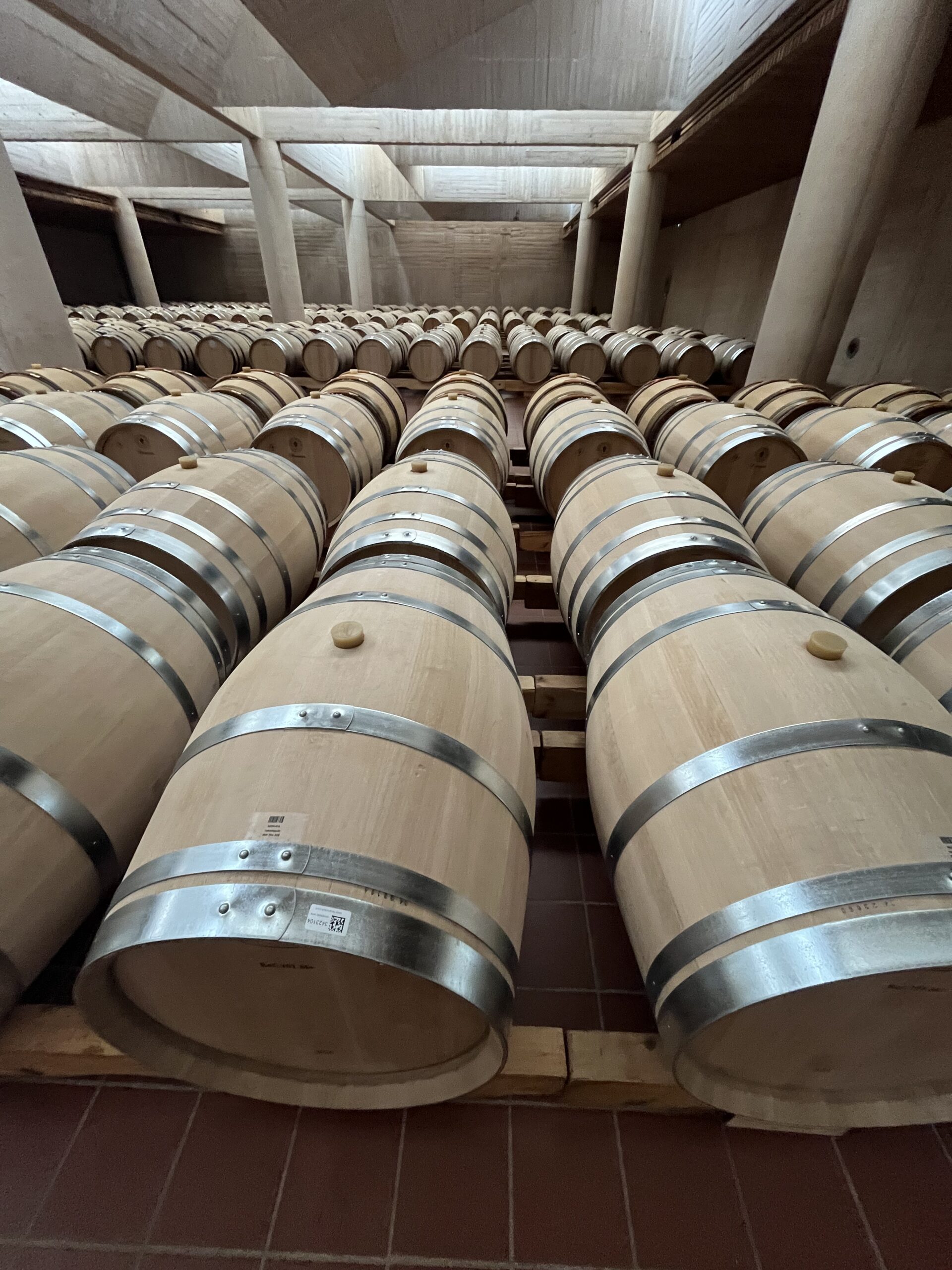
- Gravity-fed winery design to preserve grape integrity
- Biodiversity and ecosystem restoration
- Integration of hospitality and wine tourism
These are not headline-grabbing breakthroughs. But collectively, they create a distinctive competitive advantage.
Similarly, many of the world’s most innovative industrial firms—particularly in Europe—are family-owned. Their innovation is often quiet, technical, and deeply embedded in craft and process.
The challenge of succession
Of course, family businesses are not without their challenges. The most obvious—and often most perilous, is succession.
The transition from one generation to the next is a moment of both opportunity and risk. It raises difficult questions:
- Should leadership remain within the family?
- How do you balance tradition with renewal?
- What happens when family dynamics interfere with business decisions?
The story of Pedro Ruiz stepping into the CEO role at 24 is a reminder that succession can be a catalyst for transformation. But it requires careful preparation, governance, and, often, humility.
Many successful family businesses adopt hybrid models, combining family ownership with professional management. This allows them to retain long-term vision while benefiting from external expertise.
In fact, some of the most enduring family enterprises have formalised structures such as:
- Independent boards with non-family directors
- Clear governance frameworks separating ownership and management
- Leadership development programmes for next-generation members
Without these, the risks are real. Poor succession planning is one of the leading causes of failure in family businesses.
Growth without losing the soul
Another tension lies in growth.
Family businesses often begin with a strong, distinctive identity. As they expand—geographically, operationally, or through acquisition—they risk diluting that identity.
The challenge is to scale without losing the essence that made the business successful in the first place.
LVMH offers one model: a federation of brands, each with its own identity, supported by shared capabilities in distribution, marketing, and finance. Mars offers another: a tightly integrated organisation built around a set of enduring principles.
Alma Carraovejas is still on its journey, but its expansion into multiple wineries suggests a deliberate strategy: grow by deepening expertise and extending into adjacent terroirs, rather than pursuing indiscriminate scale.
This kind of growth is slower, more deliberate, and often more sustainable.
The global significance of family businesses
Zooming out, the importance of family businesses becomes even clearer.
They are not a niche phenomenon. They are the dominant form of enterprise globally.
From small, local firms to multinational giants, family ownership shapes industries as diverse as agriculture, manufacturing, retail, and luxury. In many countries, they are critical to economic stability, job creation, and regional development.
They also tend to outperform in certain dimensions:
- Longevity — many survive for generations
- Resilience — stronger during economic downturns
- Trust — higher levels of stakeholder confidence
This is not universal, of course. But the pattern is consistent enough to challenge the prevailing narrative that innovation and success are primarily driven by venture-backed start-ups or publicly listed corporations.
The darker side
To present family businesses as a panacea would be naïve.
They can suffer from:
- Nepotism — leadership based on lineage rather than merit
- Resistance to change — an overemphasis on tradition
- Governance challenges — blurred boundaries between family and business
- Conflict — personal relationships spilling into professional decisions
In some cases, these issues can be fatal.
The very qualities that make family businesses strong—identity, continuity, emotional investment—can also become sources of rigidity and conflict.
The key, therefore, is not simply family ownership, but how that ownership is exercised.
A different model of capitalism
What emerges from all this is the outline of a different model of capitalism—one that sits somewhere between the extremes of hyper-growth start-ups and short-termist public markets.
Family businesses, at their best, embody a form of stewardship capitalism:
- They see themselves as custodians rather than owners
- They balance profit with purpose
- They invest in relationships and reputation
- They think in generations
This does not mean they reject growth or innovation. On the contrary, the most successful are highly ambitious. But their ambition is tempered by a longer view of value.
In a world facing profound challenges—from climate change to social inequality—this perspective may be more relevant than ever.
Lessons for every business
As I reflect on my time at Alma Carraovejas, a few lessons stand out. Not just for family businesses, but for all organisations navigating an increasingly complex world.
1. Rediscover time
The obsession with speed has its limits. Some forms of value can only be created over time.
2. Build with purpose
Authenticity is not a branding exercise. It comes from deeply held beliefs and consistent actions.
3. Innovate from within
Not all innovation needs to be disruptive. Continuous, thoughtful improvement can be just as powerful.
4. Balance continuity and change
The past is a foundation, not a constraint. The challenge is to honour it while evolving.
5. Invest in people and governance
Sustainable success requires both emotional commitment and professional discipline.

Back to the vineyard
As the sun sets over Ribera del Duero, the vineyards take on a different character. The heat of the day gives way to a cooler stillness. The pace slows. Time stretches.
It is tempting to romanticise this scene—to see it as a refuge from the pressures of modern business. But that would miss the point.
Alma Carraovejas is not an escape from the future. It is a different way of engaging with it.
It embraces technology, data, and global markets. It innovates and grows. But it does so with a sense of continuity and care that is increasingly rare.
In a business world obsessed with what’s next, perhaps the real advantage lies in understanding what endures.
And that, ultimately, may be the quiet power of family businesses: not just their ability to survive change, but to shape it … patiently, purposefully, and over generations.
More from the blog